Does Every City Need an Art Director?
Walk through any city and ask yourself: who decided this? Not one building or one street, but the relationship between them. The material of a facade next to the texture of a sidewalk. The height of a roofline against the width of the road. The color of a bench in a park that no one chose to match anything.
The answer, almost always, is no one. Cities are designed every day, by policy, by budgets, by regulations, by speed. What they are rarely designed by is a single, long-term visual mind.
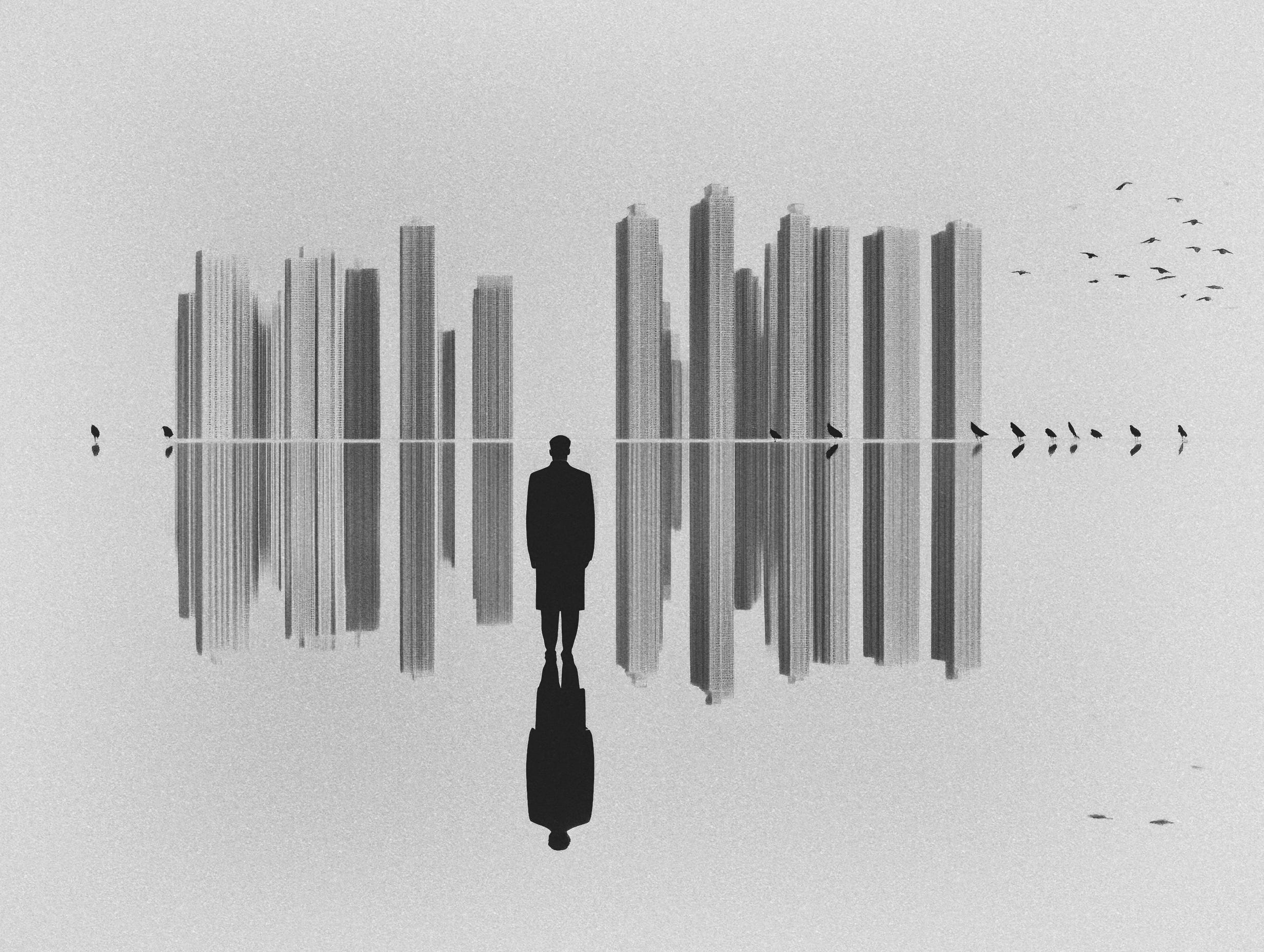
In film, this would be unthinkable. A production without an art director results in visual noise. Too many ideas, no hierarchy, no rhythm. So why do we accept this for the places we live in?
As a visually driven person, I believe every major city needs an art director. Not a decorator. Not someone chasing trends. But a role with responsibility for visual coherence, material honesty, light, proportion, and restraint. Someone who thinks in decades instead of election cycles.
My eye is trained to see cities as compositions. Light, proportion, material, the relationship between one surface and the next. Some cities hold together. Others fall apart the moment you look past the postcard.
Bruno Munari, an Italian artist and designer who spent his career questioning the line between art and everyday life, wrote in his 1966 book Design as Art that design is “planning as objectively as possible of everything that goes to make up the surroundings and atmosphere in which men live today. This atmosphere is created by all the objects produced by industry, from glasses to houses and even cities.” He wrote that nearly sixty years ago. The observation has only become more urgent.
An art director of a city would not design every building. They would define the language. They would ask simple questions. Does this belong here? Does it age well? Does it respect what already exists? Is silence sometimes better than expression?
I think about Eduardo Chillida often. He was a Basque sculptor who studied architecture in Madrid and briefly played goalkeeper for Real Sociedad before turning to art full-time. That combination of architecture, physicality, and the instinct to defend a space runs through everything he ever made. In a conversation I referenced in Slow space, fast matter, he gestured through the air and said: “This is a quick space.” Then he patted a rusted steel sculpture: “And this is a slower space.” Matter is slow, heavy space. Space is fast, light matter. The two are not opposites. They are two states of the same thing.
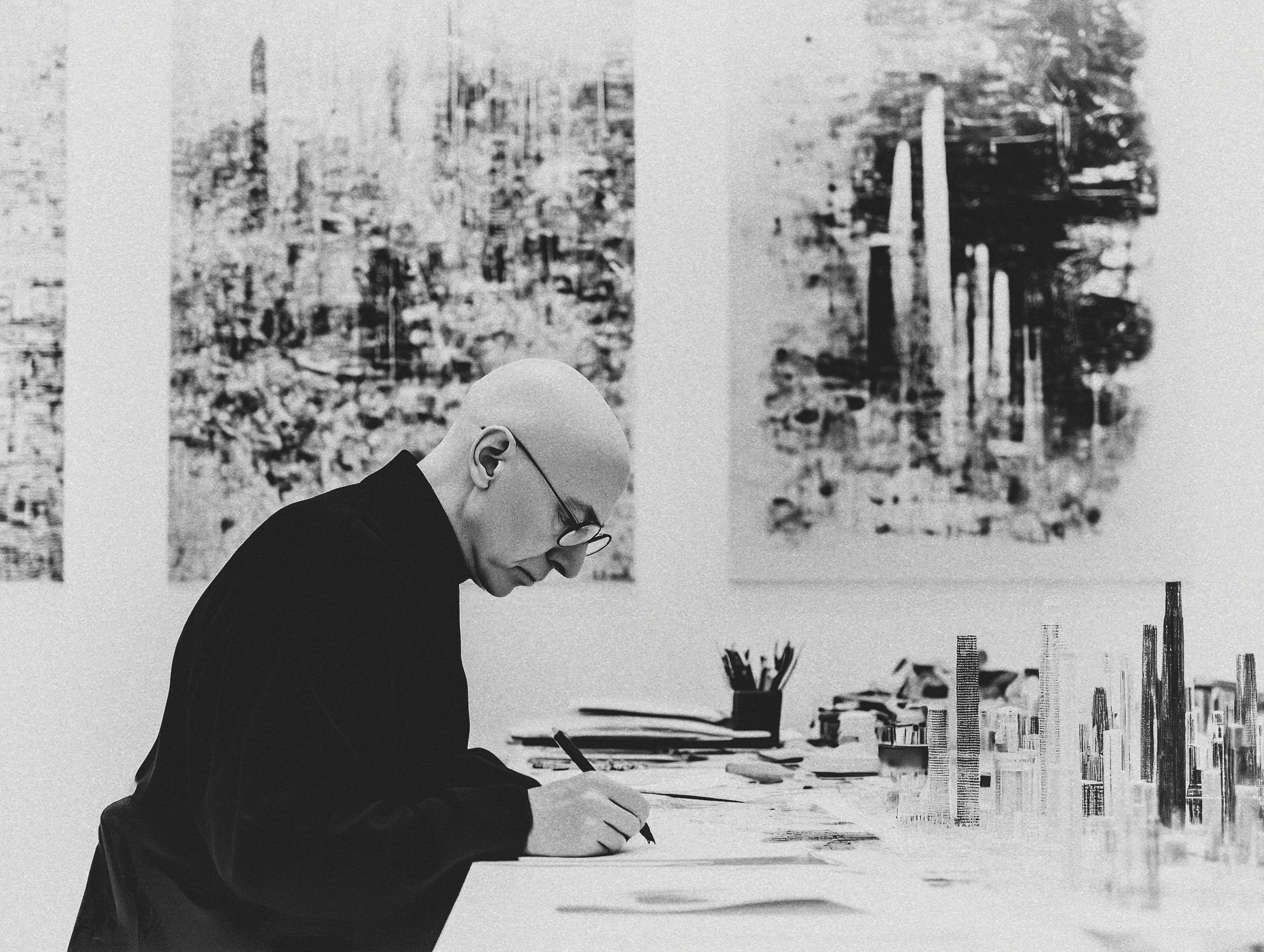
Cities work the same way. A building is slow space. The street between two buildings is fast space. When both are considered together, something emerges that neither could produce alone. When they are not, you get noise. Visual noise. The kind that tires you without you realizing why.
In that same piece, I wrote about niwaki, the Japanese art of cloud pruning. A pruner works over decades, removing living branches. Not the dead ones. The ones that pull attention away from the tree’s essential form. The shape is already in the tree. The work is in uncovering it. A city art director would do the same. Not adding. Revealing. Protecting what is already there and making sure what comes next does not erase it.
This is not about control. It is about care.
The fear is obvious. One taste, imposed on millions. But good art direction is never about ego. It is about creating a framework in which many voices can exist without cancelling each other out. Not dictating what gets built, but shaping the board on which everyone else plays. I once wrote about that idea in the context of AI and art: that the tool is not the artist, it is the surface that makes the game possible. The same applies to a city. The art director does not make the moves. They define the field.
That kind of attention is rare in how cities are built. Plans are made, renderings are approved, construction begins. But attention, real attention, the kind that asks whether something belongs before it is placed, is almost never part of the process. I noticed this when I traveled through Morocco for Karawan. I arrived without a plan, and the absence of expectation forced me to look. The strongest images came not from searching, but from paying attention to what was already there. Cities could use that same instinct. Not more planning. More looking.
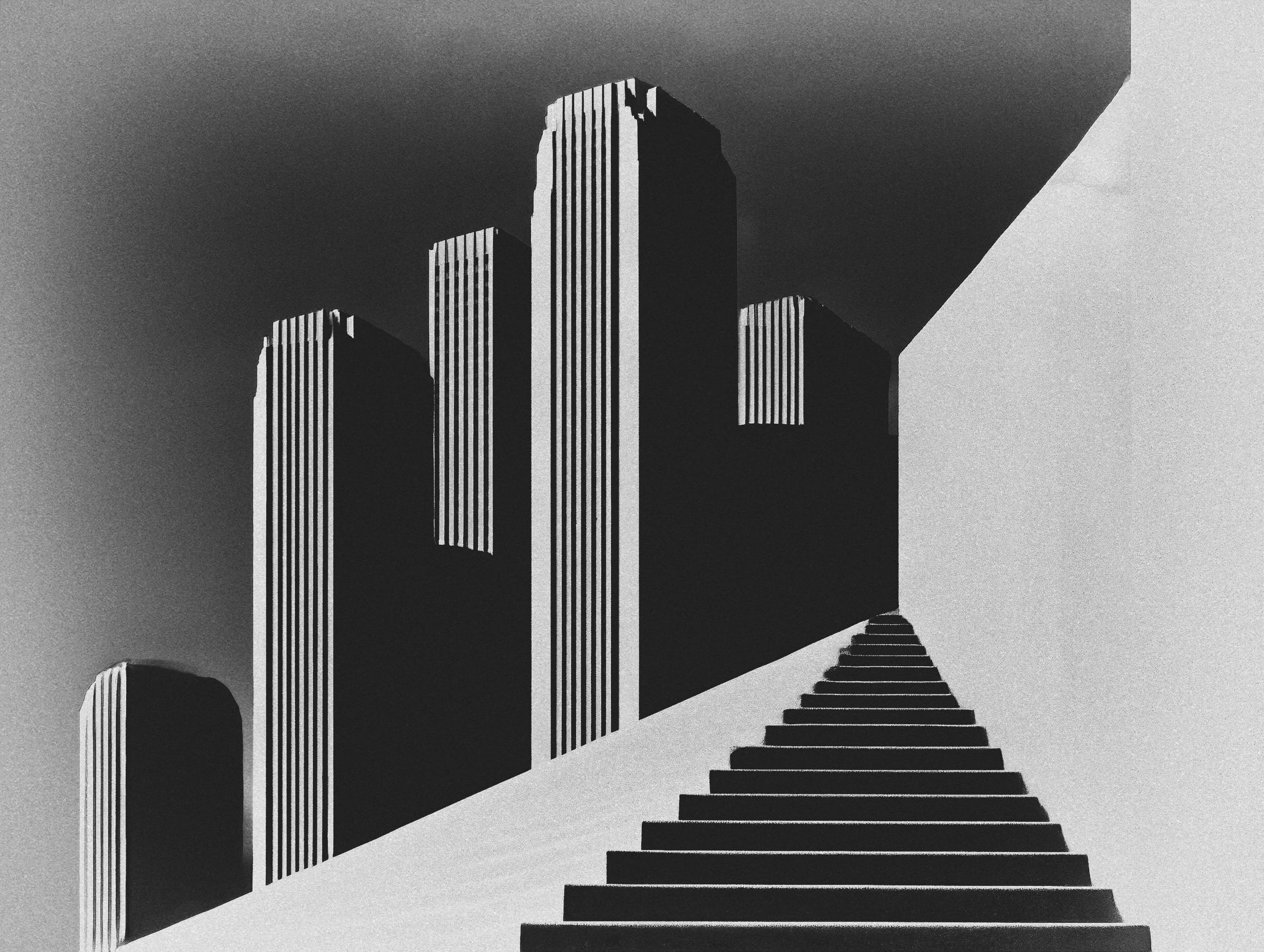
Think of the cities that stay with you. New York, Paris, Tokyo, Kyoto. Each has a strong visual identity, often by accident, history, or sheer repetition. Imagine if that identity was consciously protected and refined, instead of slowly eroded by four-year election cycles and developers chasing the fastest return.
Susan Magsamen and Ivy Ross, a neuroarts researcher and a design executive at Google, describe in Your Brain on Art that people with an aesthetic mindset share four attributes: a high level of curiosity, a love of open-ended exploration, keen sensory awareness, and a drive to engage in creative activities. These are the qualities you would want in someone responsible for how a city looks and feels. Not a politician. Not a developer. Someone who sees.
Imagine the job title. Art Director of Amsterdam. Art Director of New York City. Art Director of Dubai. Not fantasy roles but serious public positions. Long-term appointments. Independent from short-term politics. Accountable to the city itself.
The benefits go beyond beauty. People take better care of places that feel intentional. A city with visual clarity creates mental calm. A shared aesthetic language builds pride and belonging. We often speak about sustainability in terms of energy and materials. Rarely in terms of visual sustainability. How long something remains meaningful before it is replaced.
Maybe the question is not whether every city needs an art director. Maybe the real question is this: can we still afford cities without one?
— Bastiaan
Comments and likes live on Substack.