Staying with one thing
Before this month’s inspiration: tomorrow, Friday 30 October, Tino 10 Years opens at Studio Woudt in Alkmaar, and from today the exhibition catalogue is for sale in the 1605 Collective webshop. It has 48 pages and only 150 copies are available online, for €20.
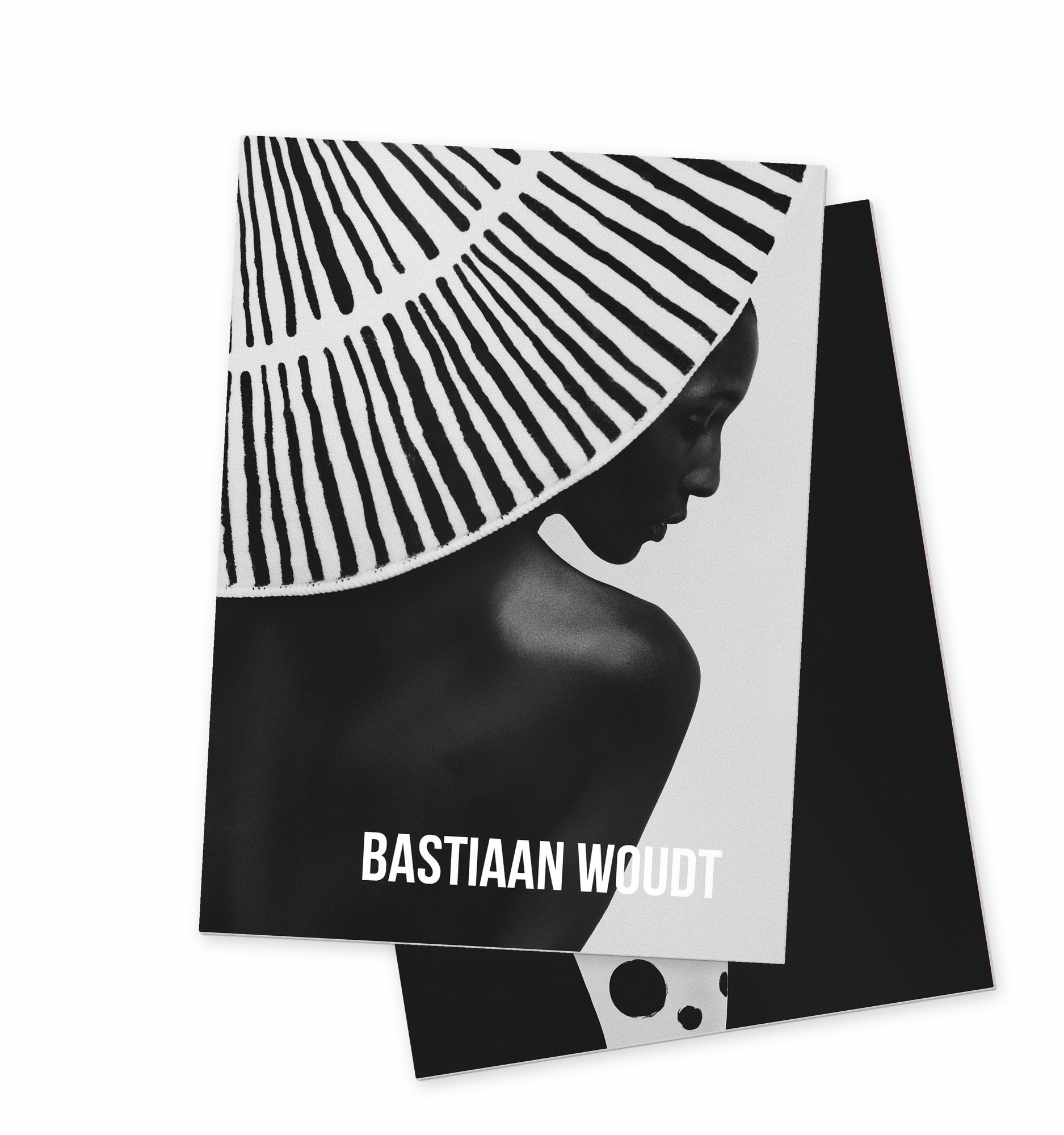
This month has been all about one exhibition, ten years of returning to the same person in the same studio, as I wrote about in Ten Years with Tino . Perhaps that is why everything that has stayed with me this month has one thing in common. A hat maker who has been working for ninety years. A sculptor who keeps coming back to three shapes. A photographer who has been reprinting the same image for years. And music built on repetition. It is all about staying with one thing long enough for it to become yours.
Here is what stayed with me.
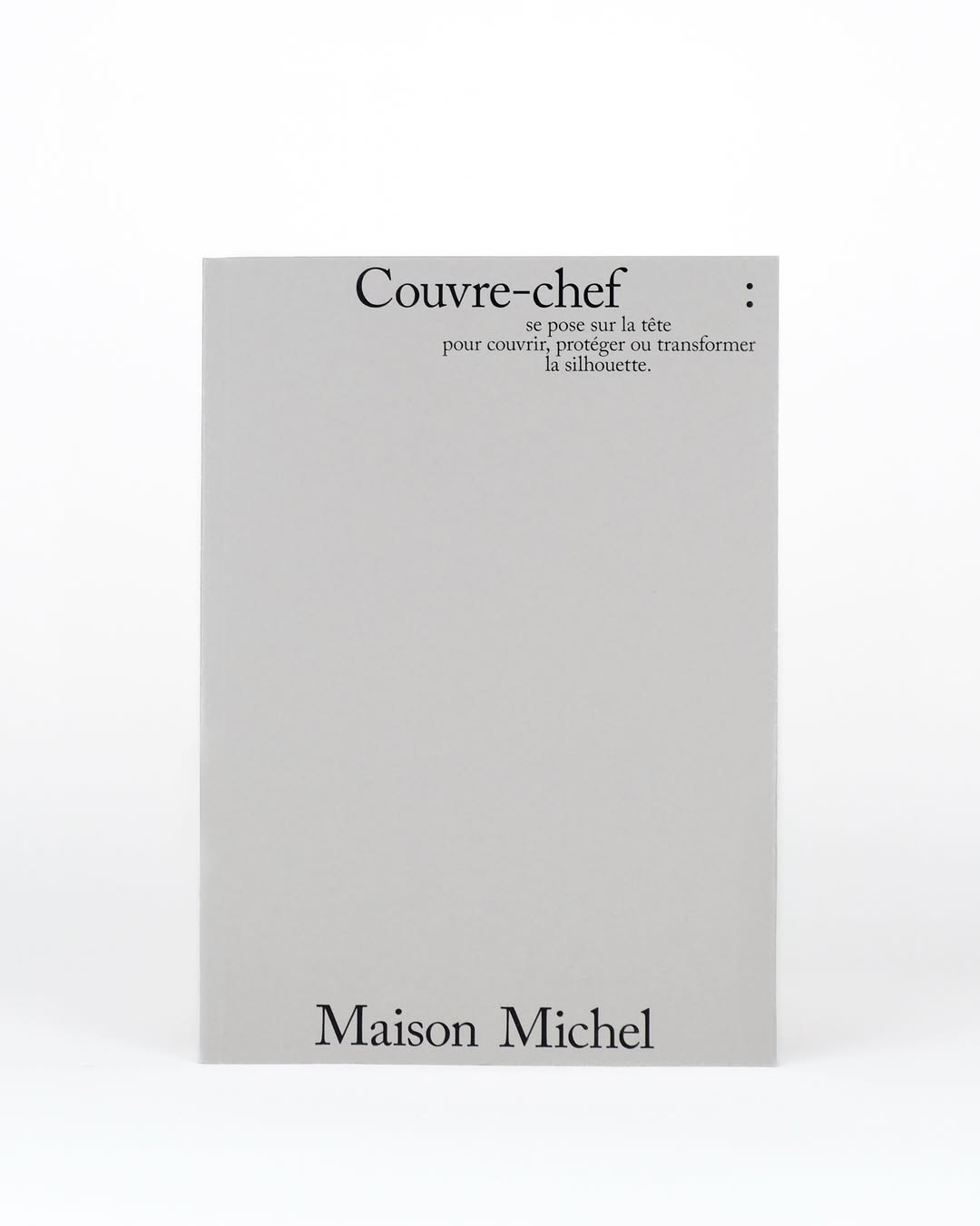
Librairie 7L and Couvre-chef
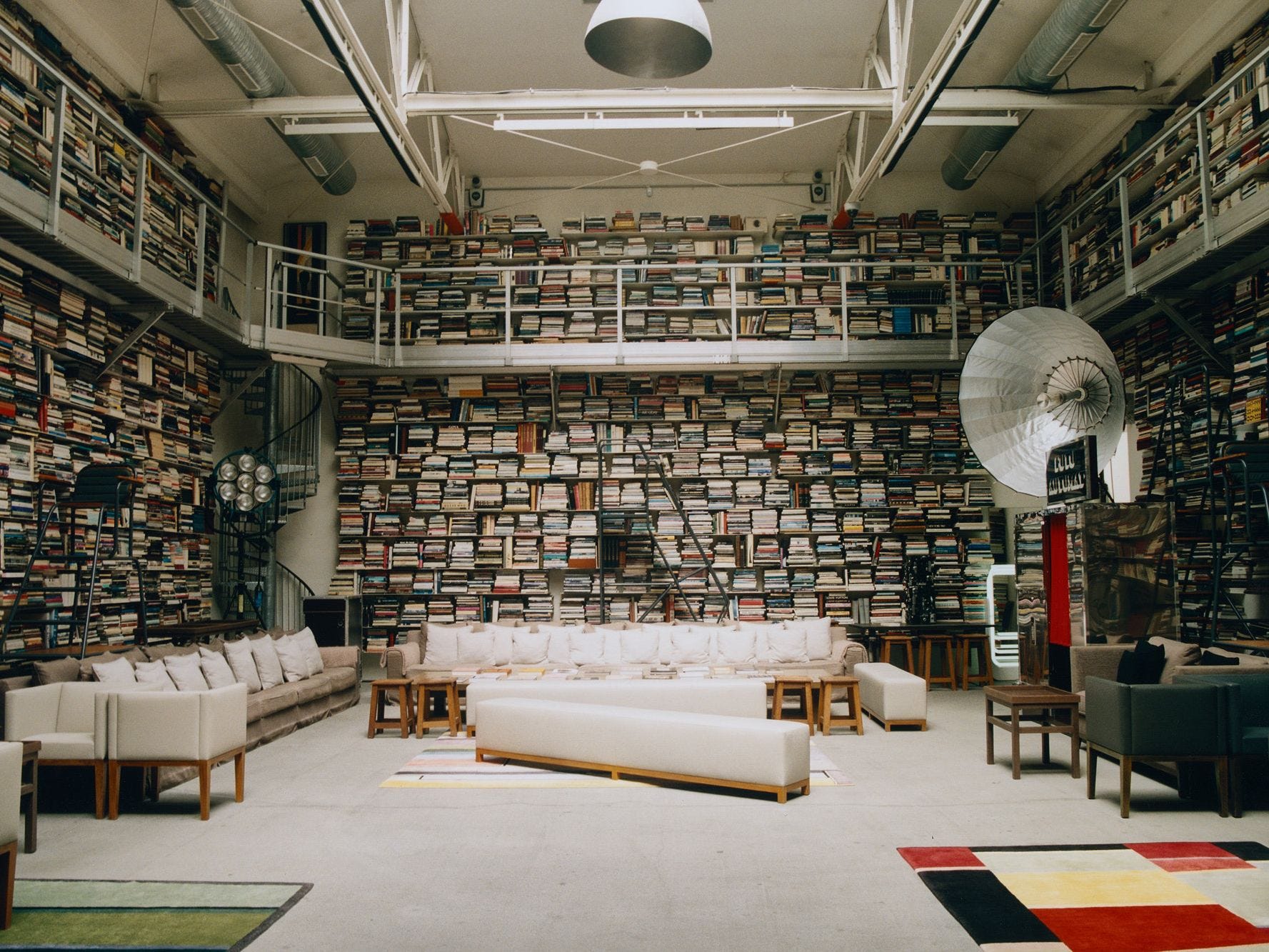
At the end of September, I was in Paris for the launch of Couvre-chef, the book that Maison Michel published to celebrate its ninetieth anniversary. The launch took place at Librairie 7L, the bookshop that Karl Lagerfeld founded in 1999 at 7 Rue de Lille. If you love books, it is definitely worth going out of your way to visit.
The book revolves around a single word: couvre-chef, meaning ‘headwear’. Spanning 304 pages, it explores the history of hats, their forms and functions, with contributions from Boris Bergmann and Julien Magalhães, as well as an interview with Priscilla Royer, the artistic director of Maison Michel. It also features a photographic series that I created with Tino and Malijn Pieterse. I am very honoured that this work is part of a book about ninety years of craft. The images from that shoot are also on display at La Galerie du 19M in Paris until 13 December, as I mentioned in my invitation of 8 October (Your invitation: Tino 10 Years).
Couvre-chef is published by Éditions 7L in French .
David Nash: Sphere, Cube, Pyramid
David Nash is a sculptor who works primarily with wood. He does not use chisels or sandpaper. He uses a chainsaw and a blowtorch. For decades, he has repeatedly returned to the same three forms: the sphere, the cube, and the pyramid.
What I find so compelling is the way he gives each shape its own direction. The cube is cut vertically, the sphere horizontally and the pyramid diagonally. The marks of the chainsaw remain visible, revealing how each form was created. Then he chars the wood until the surface turns black and rich. These three basic shapes are made by hand from a material that was once a living tree.
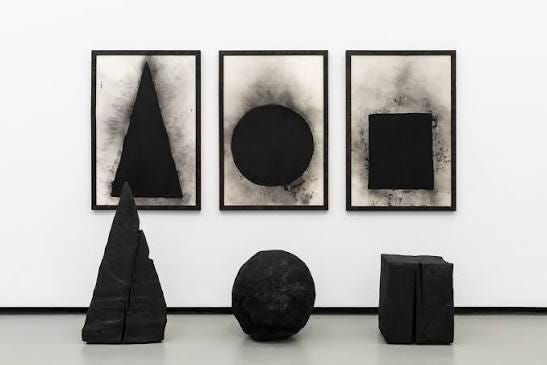
One of his exhibitions had a title that says it all: Pyramids Rise, Spheres Turn, Cubes Stand Still. Each shape has its own movement, even when it does not move at all.
Earlier this year, I wrote about two other artists who allow time to work on their materials: Hannsjörg Voth and his spiral of loam in What’s Underneath , and Jon Foreman and his stones on the beach in The Things We Share. Nash belongs in that category for me.
Nadav Kander: The Edge of Things
In September, I attended the opening of The Edge of Things, a large solo exhibition by Nadav Kander curated by David Campany, at Foam in Amsterdam. The exhibition runs until 20 January 2027. I recommended his book The Meeting in a Monthly Inspiration post last year , and seeing his work displayed only increased my admiration.
Kander is an unusual photographer, in the best possible way. He has photographed Barack Obama, David Lynch and Rosamund Pike for some of the world’s biggest magazines. He has also spent years photographing the low, grey marshes and mudflats of the Thames Estuary, where the river leaves London to meet the North Sea. He moves between these two worlds as if there were no border between them. What connects them is his fascination with human fragility and the passing of time. At Foam, this comes together in photographs and video accompanied by music by Max Richter, as well as a projection featuring Kander’s own narration.
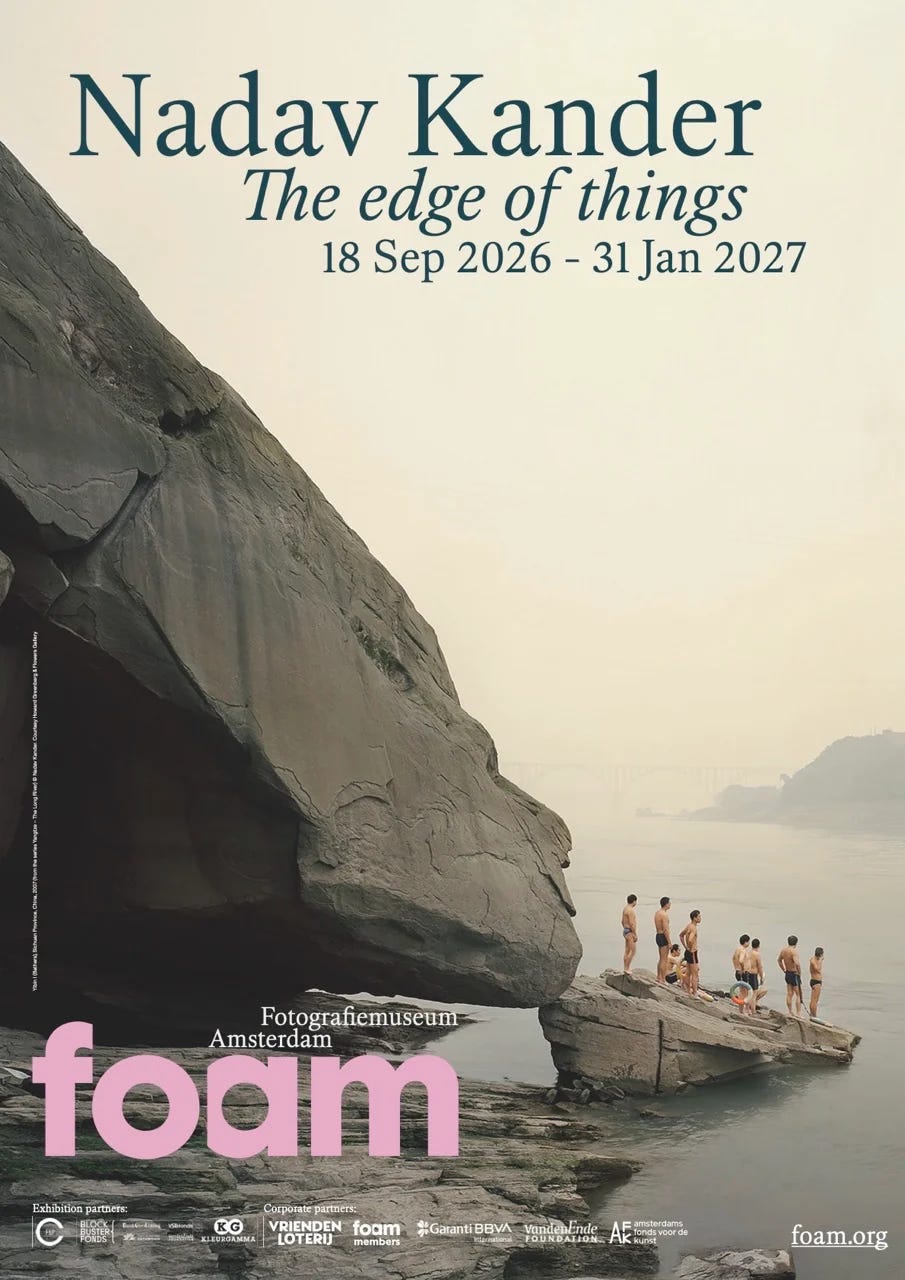
What I admire most is how slowly he works. For Dark Line, he spent hours at the estuary until dusk, taking long exposures. He reprinted the images several times over a period of years until they felt, in his words, like water. Two weeks ago, I wrote about the importance of letting images rest before judging them in Certainty is a poor editor. Kander takes this idea further than anyone I know.
At the opening, I bought two signed books: Dark Line, which is about the Thames Estuary, and The Edge of Things. Both are highly recommended.
Marcal: Ultimamente
I have been listening to a lot of techno again lately. One track I keep coming back to is Ultimamente by Marcal, a Brazilian techno producer. Ultimamente means ‘lately’, which feels fitting. In September, I shared another track that has stayed with me: Counting Comets by Marc Romboy, which I featured in The Things We Share
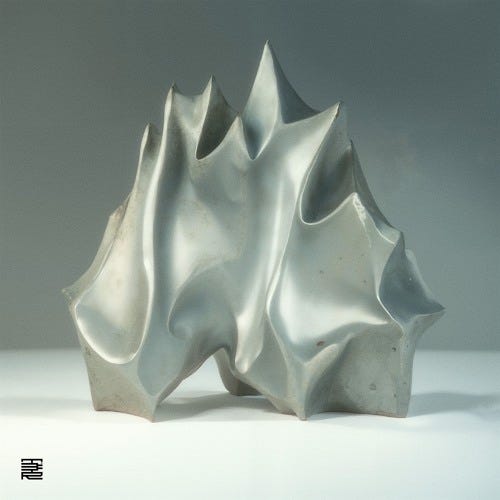
Music has always been part of my work. I am preparing to set up a bigger project at the end of the year that has everything to do with music and techno. I will tell you more about it soon.
That was my month. Four very different things, all of which are about patience: a hat maker, a sculptor and a photographer who each stay with one thing until it becomes theirs, and a track built on repetition.
What has stayed with you this month? Hit reply, I read every message myself.
If you are near Alkmaar tomorrow: Tino 10 Years opens on Friday 30 October from 16:00 to 19:00 at Studio Woudt, Hazenkoog 9. Registration is required . You can also buy the catalogue from today in the 1605 Collective webshop .
More soon.
— Bastiaan
Comments and likes live on Substack.