Permanent presence
Some readers have asked. So this week, the answer.
In July last year I ended my representation in the Netherlands. Bildhalle, who had been showing my work in Amsterdam since 2020, still represents me in Switzerland. Mirjam and I parted on good terms, and I have nothing but warmth to say about how that conversation went. But for the country I actually live in, I made a different choice. I run the Dutch market myself, from my own studio in Alkmaar.
That structure has a name. Studio Woudt. This week, what it is, and why it exists.
What it is
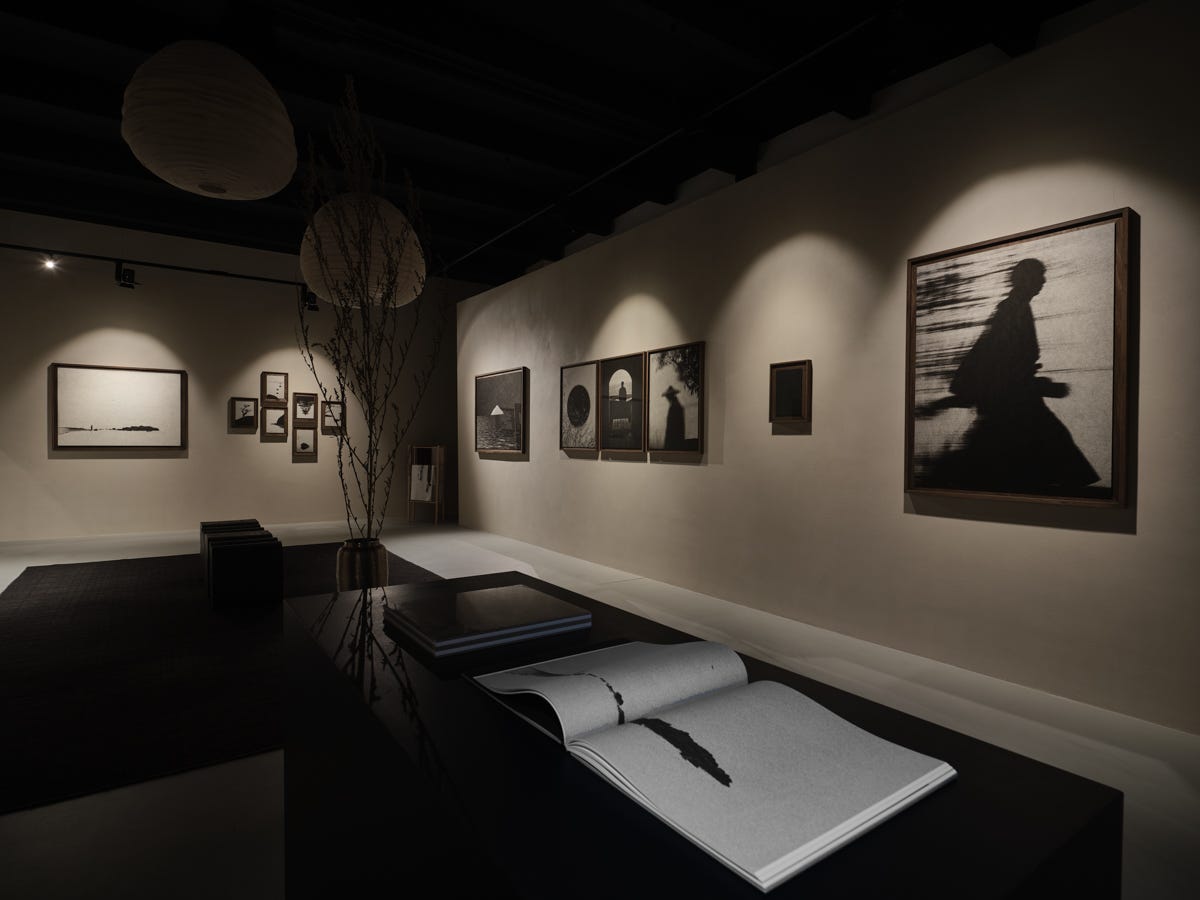
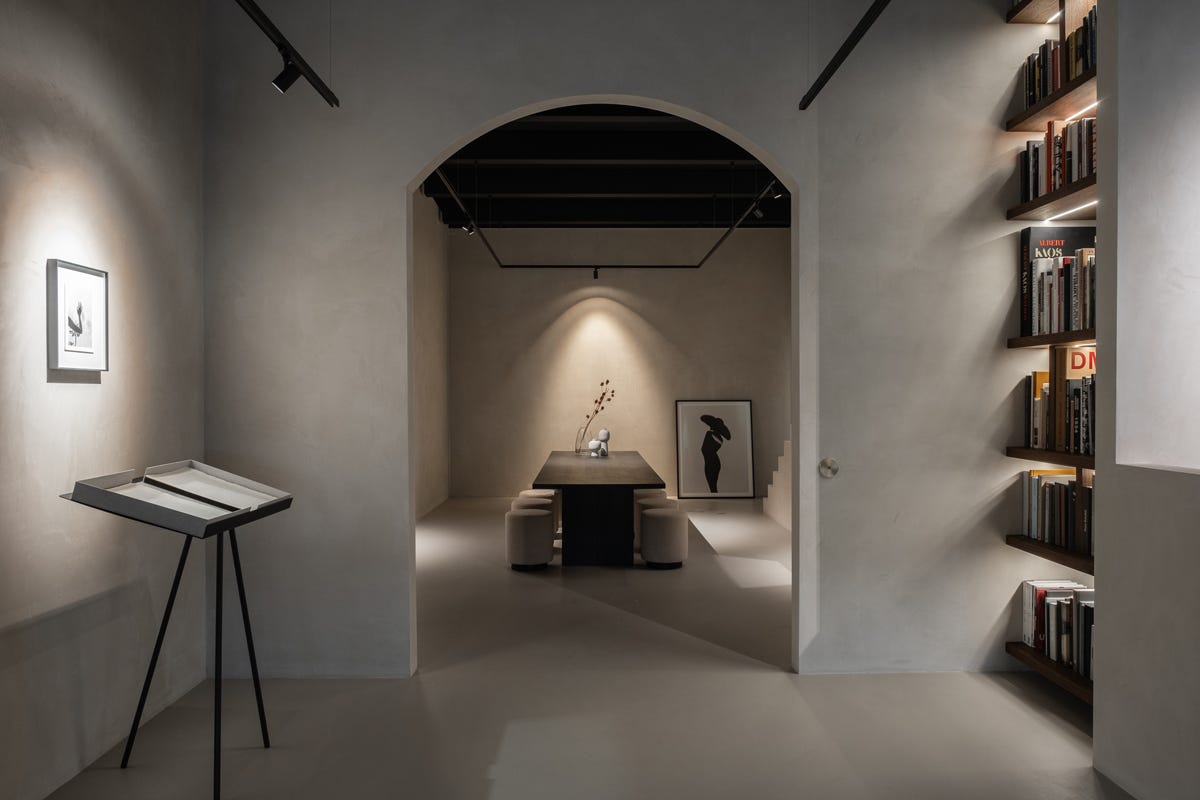
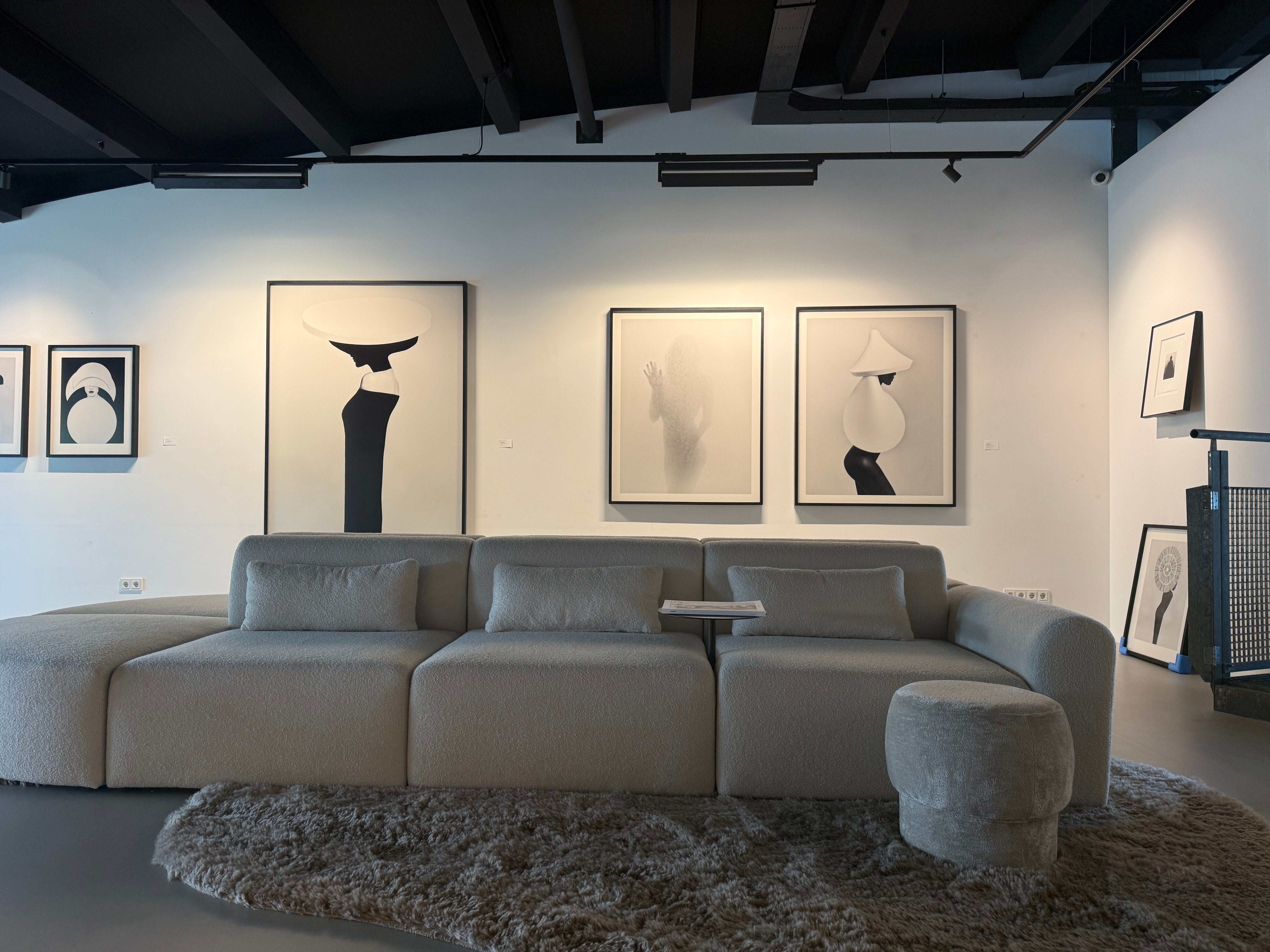
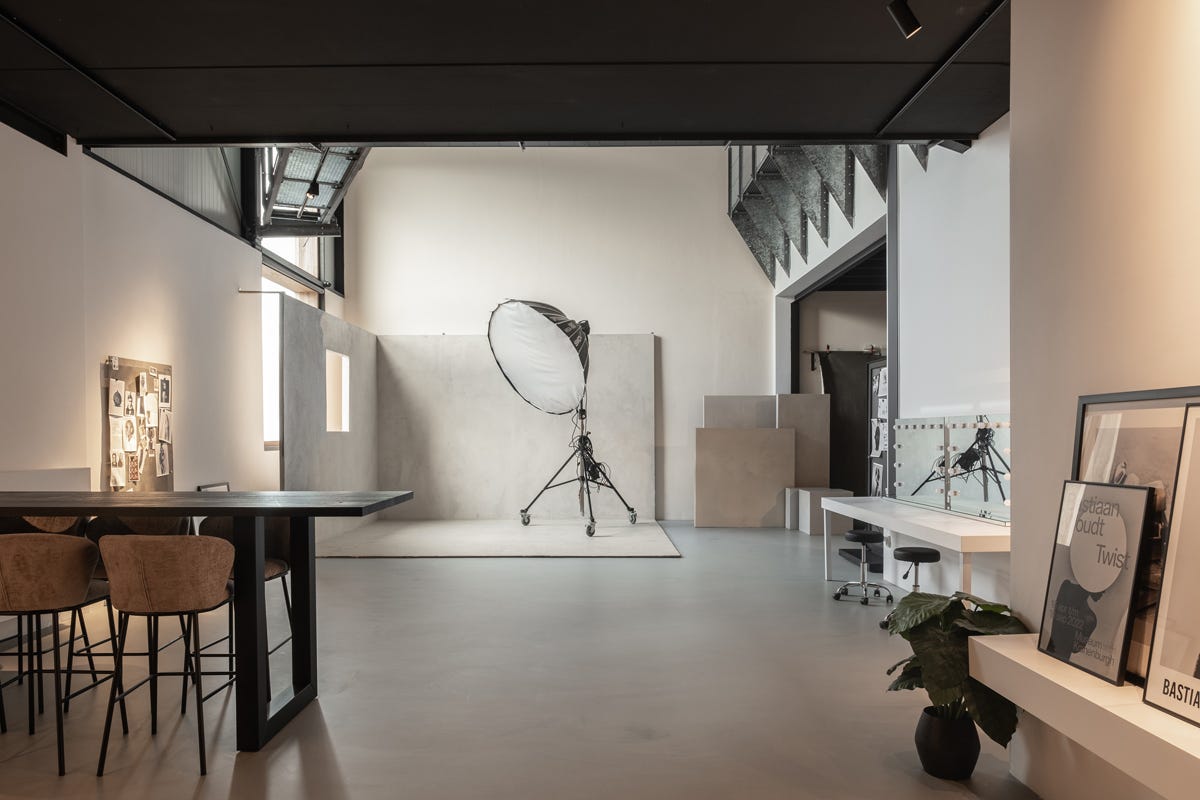
Studio Woudt is the direct channel for my fine art photography in the Netherlands. The place where collectors can see the work in person, acquire limited editions, commission unique projects, and walk through the rooms where the photographs are actually made. There is always a permanent exhibition on view. Visits are by appointment. No queue, no intermediary, just the work and the person who made it.
The studio itself is 1.200 square metres. Behind the gallery sit the archives, the sets, and the rooms where the work takes shape. When you visit, you are not in a white cube on a Dutch canal. You are in the building where the work begins.
For collectors outside the Netherlands, the structure is different. I work with trusted galleries in the United States, the United Kingdom, Portugal, Berlin, Paris, Australie and the Emirates to name a few. Each market with the right partner. But the country I live in, the country I work from, that one I run myself.
Not alone. Janneke Schrey runs sales and creative at Studio Woudt, and has been part of this practice for years. If I am not in the room, she is.
Why
The decision was not theatrical. It was structural.
A gallery, by design, divides its attention across many artists. That is the model. Sales pressure points toward whatever is moving fastest in any given month. Logical, fair, and effective at the scale of a portfolio. But for an artist who wants to show work permanently, who wants to host conversations that take more than a brief meeting, who wants to set the rhythm of new releases and the way each piece is introduced, the model has a ceiling.
There is a simpler version of the same thought. I did not want to be dependent on a single exhibition every other year in my own country. I wanted the work to be available, here, all the time, for anyone who finds it and wants to see it in person. And to keep working with the people who genuinely want to show it, here and elsewhere, so as many people as possible can encounter it. Permanent presence, not periodic visibility.
I had the space already. I had the production capacity, the infrastructure, the network. I had Janneke. After a few years inside the Dutch gallery system, the question became simple. If I could do this myself, why was I not?
So I am.
I wrote about the visitor side of this last November in Why I’m Opening My Studio to Collectors. What I want to write about here is the other side. The reason behind the structure.
Daniel Arsham, on audience
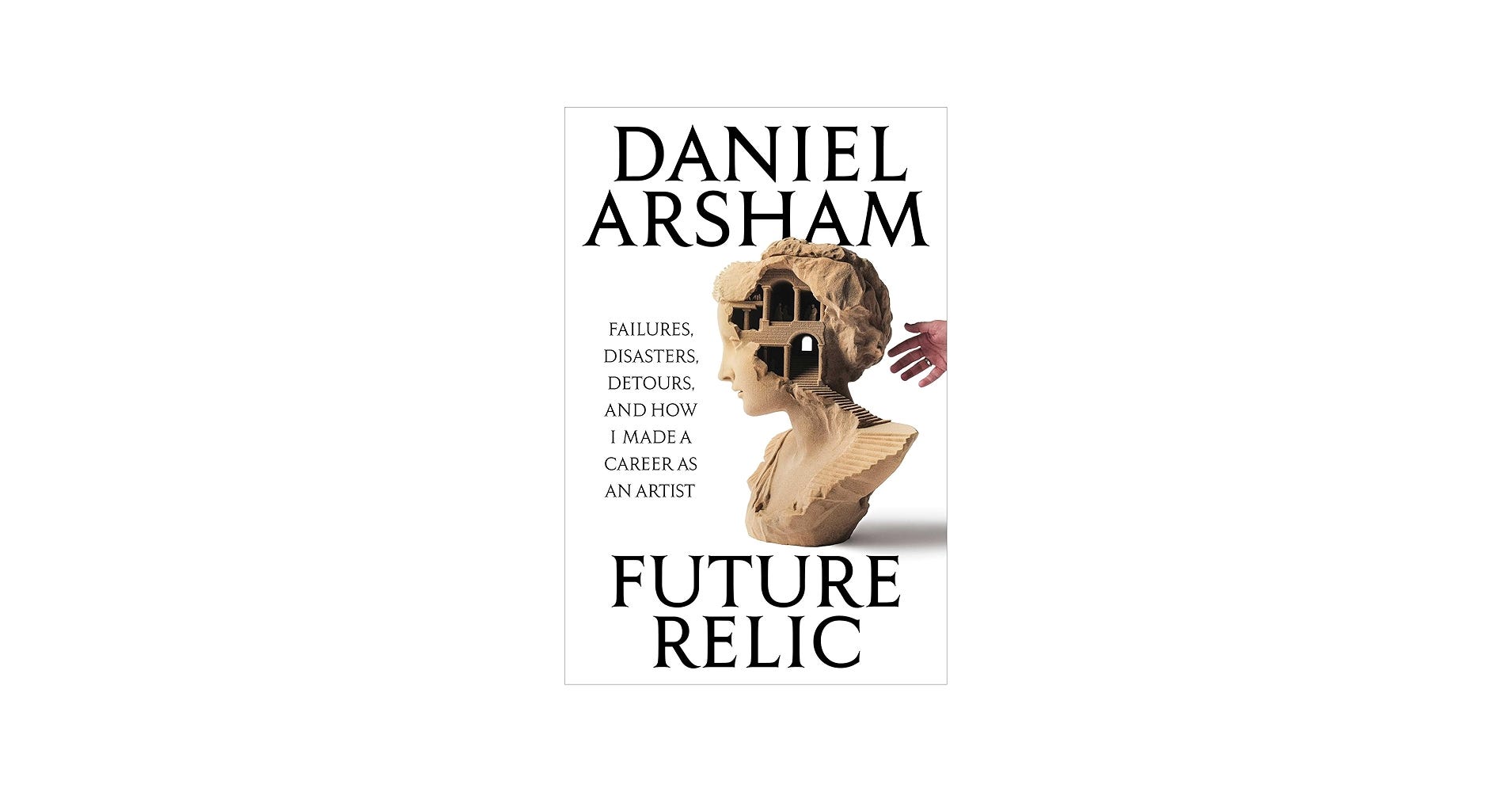
I have been reading Future Relic, Daniel Arsham’s book(AMAZING BOOK), this month. One passage in particular has been sitting with me. He is writing about the criticism he received for his commercial collaborations. Sneakers with Adidas. Jewelry with Tiffany. A car with Porsche. Clothes with Kith. The art world’s response, in his telling, was uniform. Why so commercial. Why diminish the work. Why your name on a billboard. His answer, every time, was one word: audience. In his own words:
“Those collaborations grow my audience. And they speak to normal people. That’s who I want to reach.” (Loc. 261)
I do not need to make sneakers to recognise the argument. What Arsham is naming is not really about brands or scale. It is about an assumption, still embedded in much of the art world, that the artist’s job is to wait quietly inside an institutional frame and let other people decide who the work is for. That is the part I disagree with too.
You need the art world. I do, completely. The galleries I work with internationally are part of the work, not separate from it. Museums, fairs, critics, curators, the whole infrastructure. That is how work travels and how it earns its place across decades. I am not walking away from any of that.
But the art world is one room. It is not the only room. And the question of which audience an artist reaches, on what terms, is not a fixed question with a single correct answer. Each artist gets to answer it for themselves. Arsham answered it through commercial collaborations. For the Netherlands, I am answering it through Studio Woudt.
Two freedoms
There are two words I keep returning to.
Freedom of enterprise. The right to design my own structure. To decide where the work hangs in my own country, and how it gets there. To set the rhythm. To carry the risk.
Freedom of artistry. The right to choose the conversation. To take the time the work needs without deferring to a calendar that belongs to a sales cycle. To let an exhibition stay open for six months because the work asks for it. To say no when a piece is not ready, and yes when it is.
These two are not separable for me. Studio Woudt exists so the work can stay artist-led at every step, from the print to the room it hangs in to the conversation that happens around it.
This is not a critique of the Dutch gallery system. There are excellent galleries here, run by people I respect, doing important work. It is a description of the role I want to occupy. Not the only role available. The one I am building.
None of this is solo work. I rely on every collaboration this practice has been built with, internationally and at home, in production, design, publishing, and inside the studio itself. I know what I cannot do alone, and I am grateful for the people who fill that gap. The point of autonomy is not independence from other people. The point is the ability to choose. What to make. Who to make it with. How to bring it into the room. That kind of choice, in my life and in my artistry, matters more than almost anything else.
If you are nearby
If you are in the Netherlands, you are welcome. Studio Woudt is open by appointment in Alkmaar. Permanent exhibition on view. Full catalogue available to discuss in person. I am usually here. If I am not, Janneke is.
For an appointment, write to janneke@bastiaanwoudt.com, or reply to this email.
For what is currently up, studiowoudt.com.
That is what Studio Woudt is, and why it is here.
— Bastiaan
Comments and likes live on Substack.