What a Collector Actually Buys
Most people think collecting art is a transaction. You see a work, you like it, you buy it. Money moves, the piece changes hands, and the exchange is done. I have spent years watching that assumption fall apart in front of me.
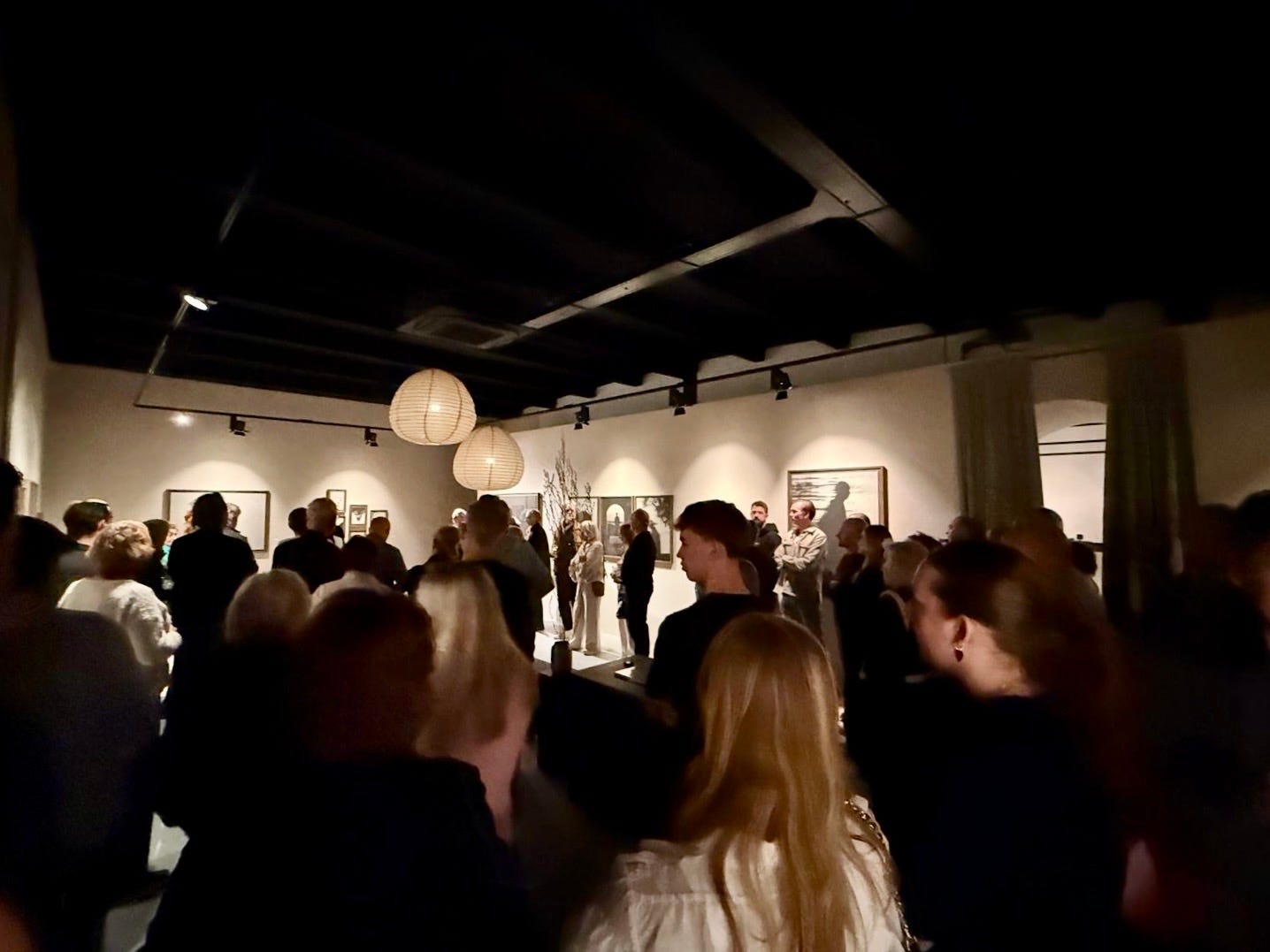
There is a moment, right before someone buys a piece of my work, when they go silent. They have stopped looking at the print and started looking at something behind it. I have learned to recognize that silence. It is the moment the real decision is made, and it has almost nothing to do with the image on the wall.
I am in a rare position to see it. I make the work, and in my home market in the Netherlands the conversation is direct. I deal with collectors myself, through Studio Woudt. I write the emails. I hang the prints. I am in the room when they decide. Abroad I work with trusted galleries and partners who carry the work into their own regions, from the United States and the United Kingdom to Portugal, Berlin, and the Emirates. A good gallery does something I cannot. It places work in front of people I would never reach, and the best ones do it with real care. What I have that they do not is the other side of the table. I am also the person who made the thing being sold. So I see this from both ends.
And from that vantage point, one thing has become impossible to ignore. A collector does not buy an image. They buy a relationship with the way someone sees.
The art world rarely says this out loud, because it does not like to talk about money. There is an unwritten rule that the maker stays silent about value, as if naming it would cheapen the work. I think that silence does more harm than the honesty ever could.
So I want to do the opposite. Not with sales language, but with what I have actually seen. I want to show you why two prints that look identical can be worth completely different amounts. I want to tell you what changes in the room when a collector stops choosing with their eyes. And I want to hand you the one question that separates someone buying decoration from someone building a collection that will still mean something in twenty years.
This is the part that rarely gets said out loud, on either side of a sale. Here is what I see from the inside.
The object is the smallest part
On the surface, you buy an object. A print, a size, an edition number, a place on a wall. That part is real and I care about it deeply. How a work is printed, on what paper, in what light it will live, all of it matters. I have written before about why a physical print carries a weight a screen never will, in Printing Isn’t Dead. A photograph is only data until ink touches paper.
But the object is the smallest part of what you are paying for.
Why two identical prints are not worth the same
Here is something that sounds irrational until you have lived it. Two photographs can be technically identical, same paper, same size, same process, and carry completely different worth. The difference is history. One of them holds years inside it. The other does not.
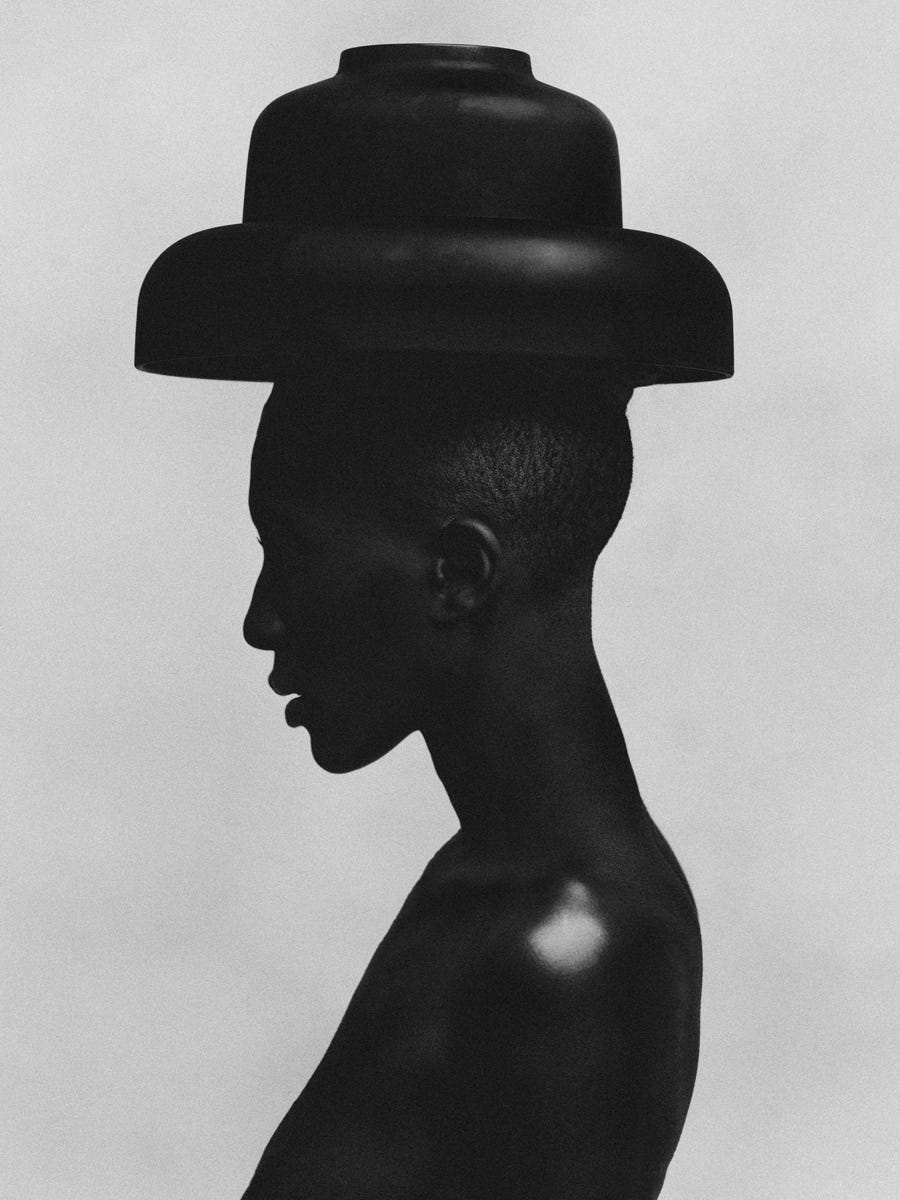
Take Pyramid, a work I made in 2022 with Tinotenda Mushore. Tinotenda has been a central presence in my work for more than ten years. Our sessions unfold with very few words. Nothing is posed. The strongest images are not constructed, they are recognized, and that recognition only became possible after a decade of building trust.
When I sat down to write to the collector after the acquisition, I noticed something halfway through the letter. I was not describing a photograph at all. I was describing a relationship, a decade of it. That was the moment I understood what had actually changed hands. Not a striking composition, but ten years that cannot be bought back, repeated, or faked.
That is the part you cannot reproduce, because it was never manufactured in the first place. You are paying for time. For trust. For the soil the work grew from.
What happens in the room
This is why I decided to open my studio to collectors. Not as a showroom, but as a meeting. When someone visits Studio Woudt, I walk them through the work and tell them where each piece came from. And almost every time, the same thing happens. The work they arrived wanting is not the work they leave with. Somewhere in the conversation they stop choosing with their eyes and start choosing with something harder to name. They stop asking which piece fits the wall and start asking which piece means something to them.
That shift is the entire business. The silence I described at the start is that shift happening in real time. After it, the price is almost a formality. Recognition comes first. The money only follows.
The question I would ask you
So here is the question I would put to anyone who collects, and the one I promised you. Ask yourself whether you could explain why you own a piece without mentioning the room it hangs in.
If the only answer is that it fits the space, the colour, the wall, then you are buying decoration, and decoration gets replaced the moment the room changes. There is nothing wrong with that, but it is not collecting. If you can talk about the work itself, why this image, why this maker, why it keeps holding your attention, then you are doing something close to what I do when I make it. You are choosing what deserves your attention, and what deserves to last.
A collector does not buy what I made. They buy why I made it, and the years it took to learn how. The print is the part you can hang on a wall.
Everything that gives it worth happened long before it reached you.
– Bastiaan
Comments and likes live on Substack.