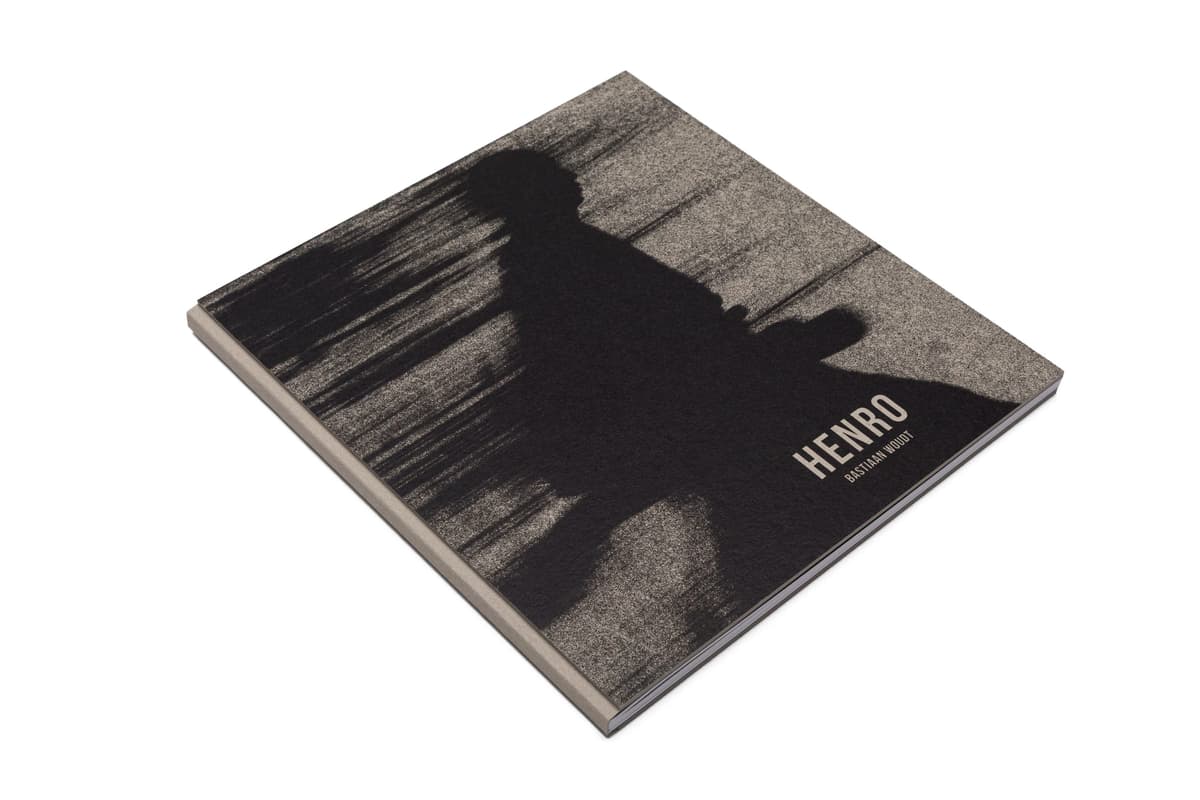
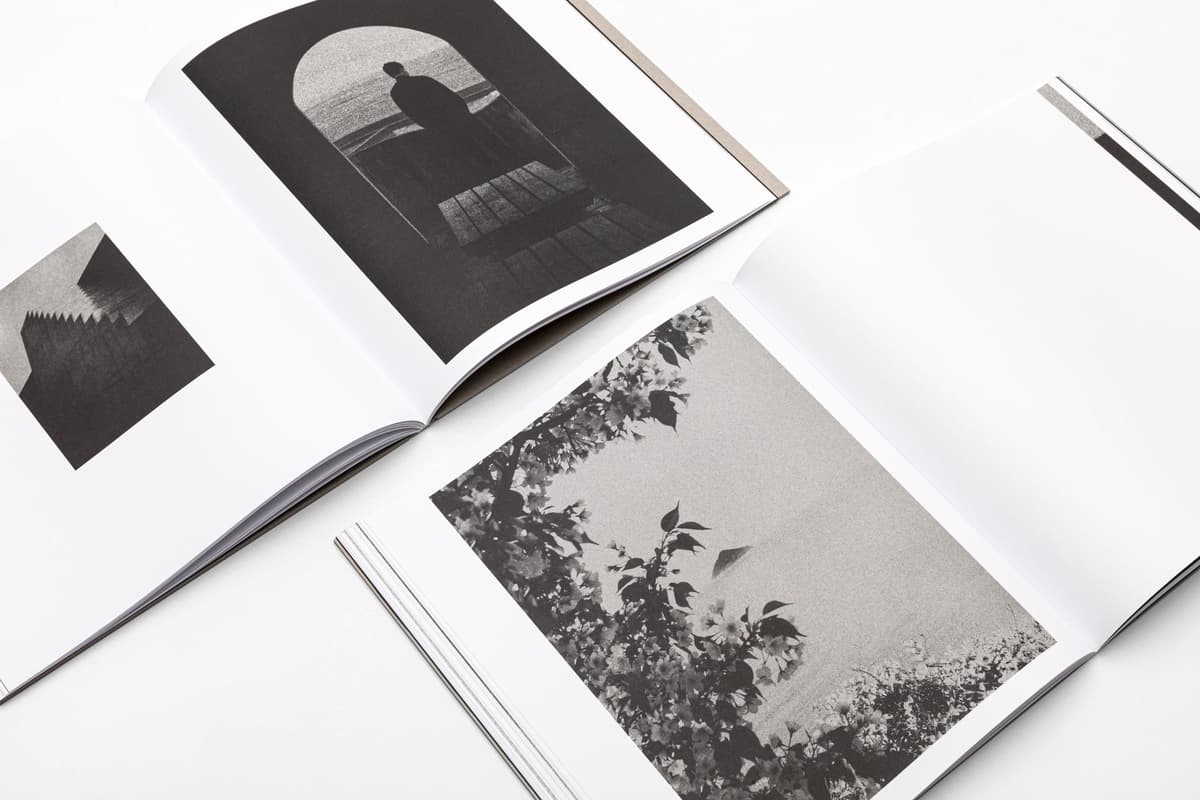
About the projectThe Shikoku Henro is a circular pilgrimage route that connects 88 Buddhist temples across more than 1,200 kilometres of mountains, forests, and coastal roads. Its origins reach back to the 9th century, to the Buddhist priest Kukai. They did not walk. They cycled. Not in order to move faster, but to move differently. Cycling created a rhythm between speed and stillness: fast enough to cover distance but slow enough to remain exposed to the weather, the fatigue, the silence. There was no fixed plan, no shot list, no locations researched in advance. Woudt did not go to Japan to make photographs. He went to move through a landscape that has been walked for over a thousand years. The images move between landscape, detail, and abstraction. There are no captions. No explanations. The photographs are presented as they are: as fragments that resist narrative.
Editions & PaperPrint ProcessPiezographyA fine art inkjet process using exclusively carbon-based pigment inks, achieving exceptional tonal depth and archival quality. Each print is made by hand.
Haini Tosa Kozo40 g/m²Traditional handmade washi from the Tosa region in Kochi Prefecture, made from mulberry bark fibres.
90 × 120 cm / 60 × 80 cm Awagami Bizan White Medium Handmade200 g/m²Japanese handmade paper with four natural deckle edges.
21 × 32 cm Available Formats90 × 120 cmHaini Tosa Kozo
60 × 80 cmHaini Tosa Kozo
21 × 32 cmAwagami Bizan White Medium Handmade
EditionEdition of 7 + 2APThe edition of 7 is intentionally smaller than the standard editions of 10 + 2AP. The number carries significance in Japanese culture and Buddhism, associated with the Seven Gods of Fortune (七福神, Shichifukujin) and spiritual cycles.