PEAK
Nepal, 2019“Those who travel to mountaintops are half in love with themselves and half in love with oblivion.”— Robert Macfarlane
45 x 60 cm / 90 x 120 cm · Ed. 10 + 2 AP
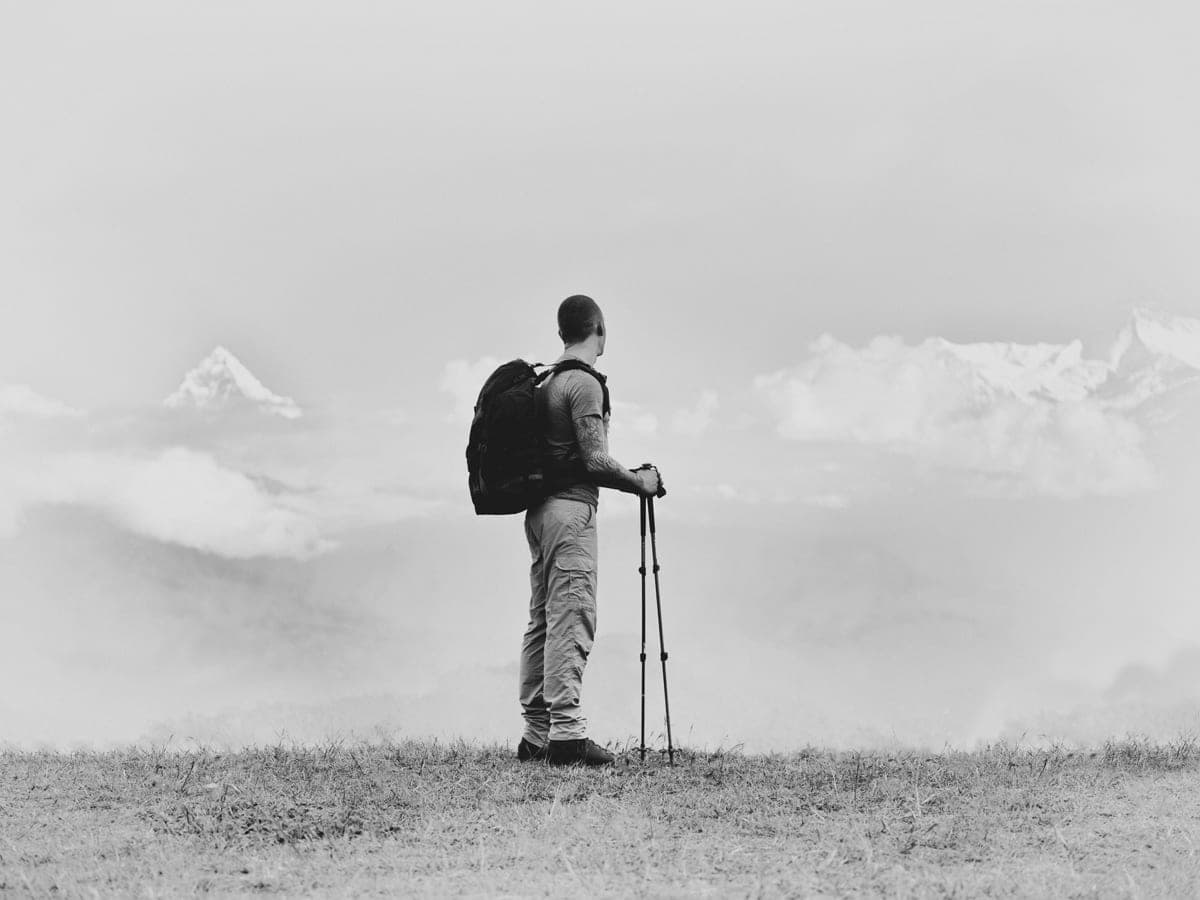
Woudt’s fascination with being in the mountains grew after standing at the 5,895-meter peak of Mount Kilimanjaro, the highest mountain in Africa. It was this fascination that led him, at the end of 2018, to contact Snow Leopard, a company that organizes expeditions to the world’s highest peaks, founded and run by René de Bos, the first Dutchman to climb Mount Everest. Because of his domestic situation and the lack of extreme climbing experience, conquering the highest peaks was never the goal. But being there, walking the same paths as the great climbers, and looking from the halfway point to think what if: that was everything.
The search for the right destination led to the Annapurna, the 55-kilometre-long massif that includes Annapurna I, which at 8,091 meters is the world’s 9th highest peak. They chose not to go to Everest: busy, commercial, and photographically perhaps not as interesting as it was 30 years ago. Instead, they took what locals call “the hard way”, a 26-day walk away from the crowds, away from all tourists, and for the most part away from all basic comforts. His brother Arjan came along, a once-in-a-lifetime opportunity to share this adventure.
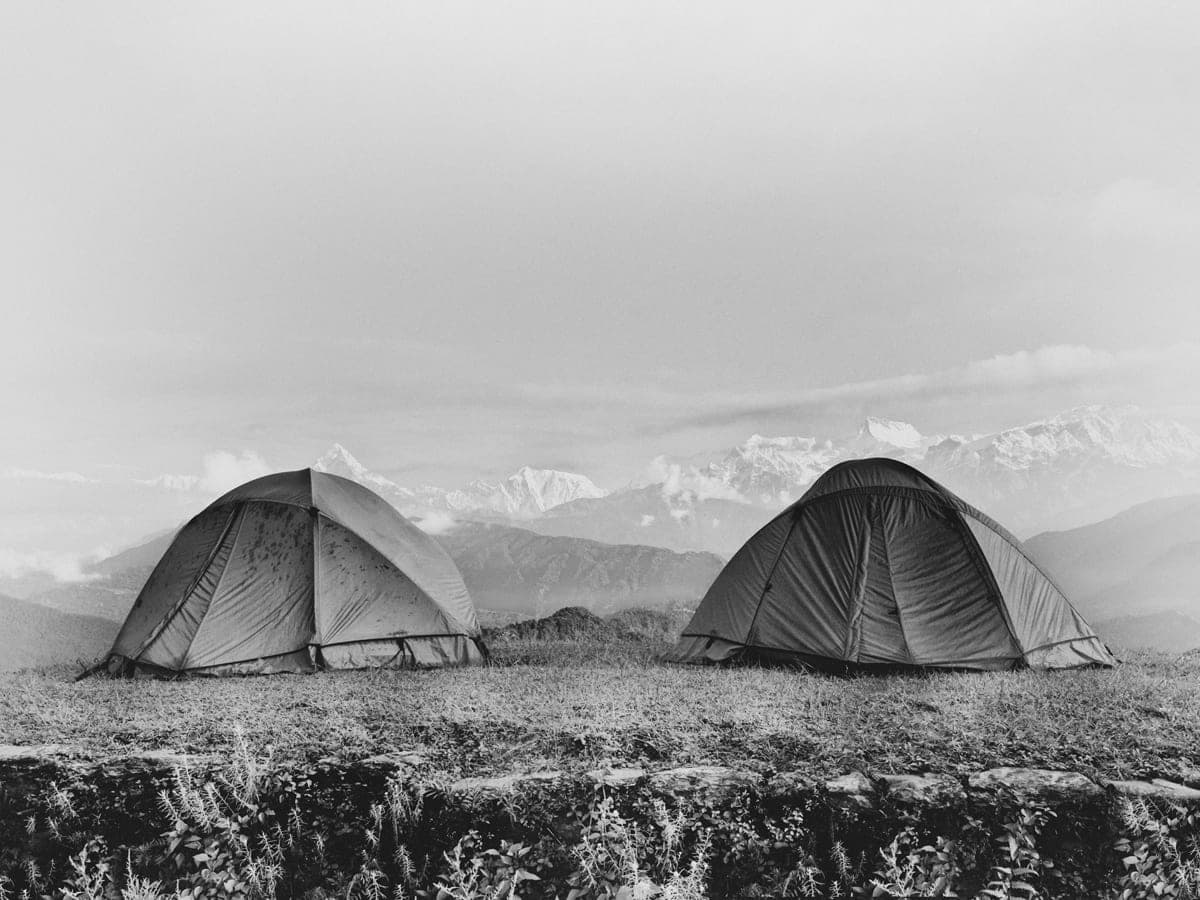
Supported by a team of porters, guides, and a cook who set up camp on the slopes and carried food for the trip, they trekked through the most remote areas, pitching tents at heights above 5,000 meters. For days on end they met no one, except the occasional local mountain dwellers. The route began in warm, humid jungle and ascended through roughly 3,000 meters to snow, mist, and treacherous mountain passes such as the Namun La.
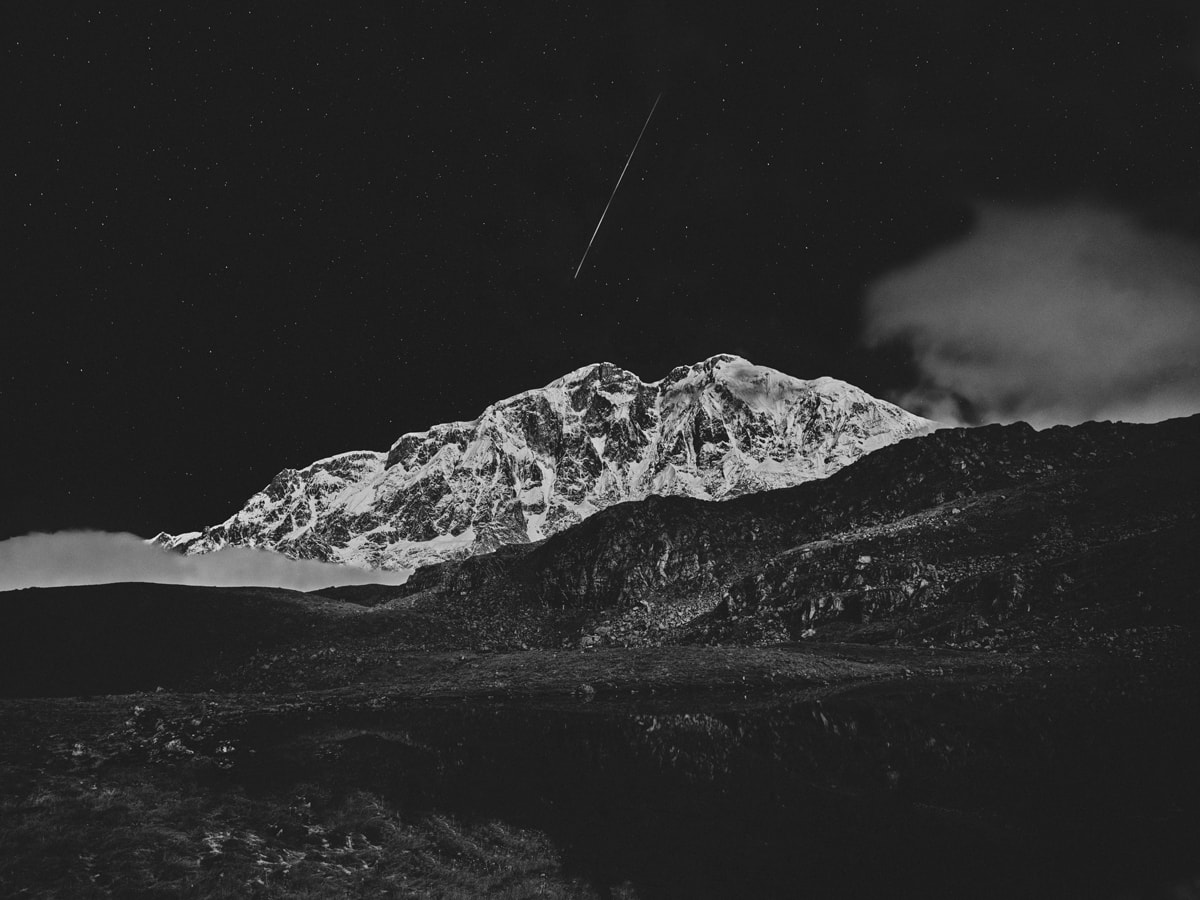
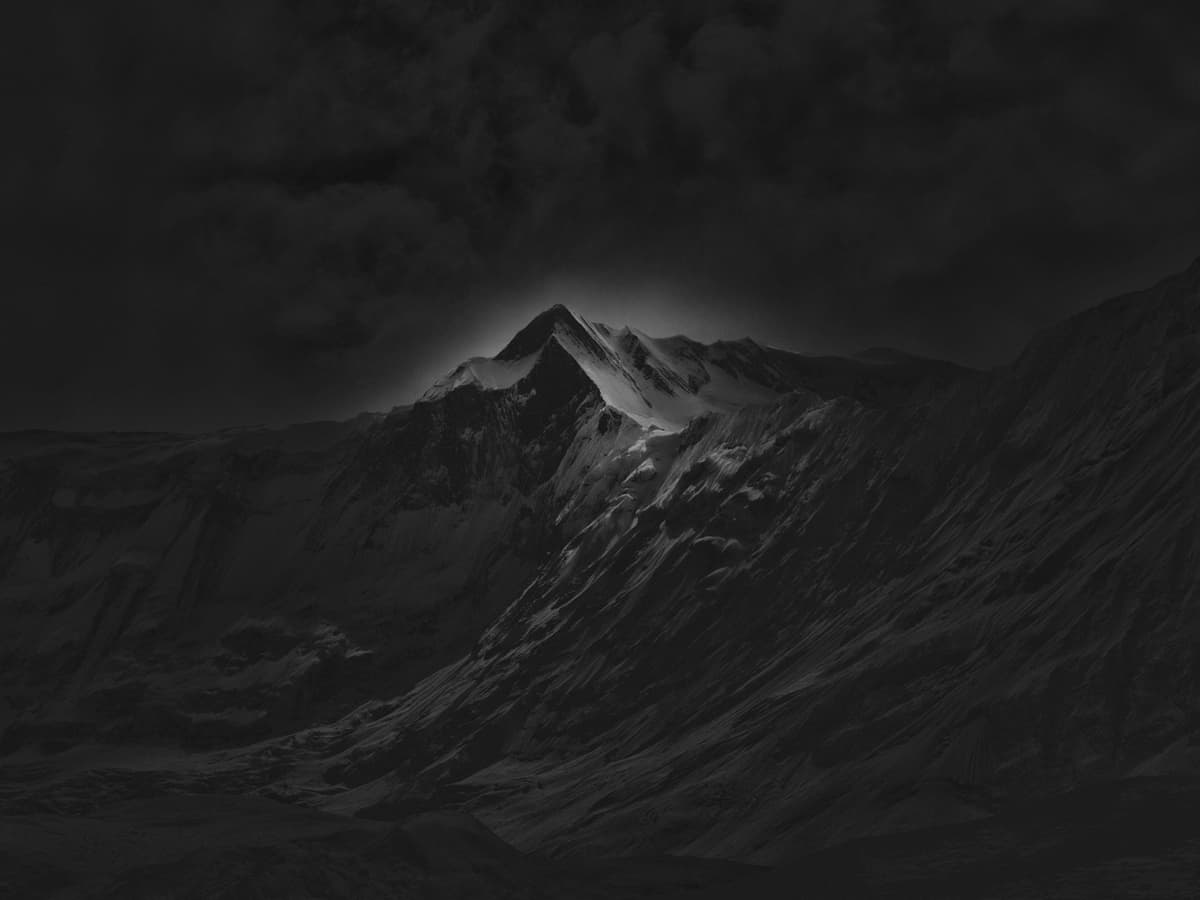
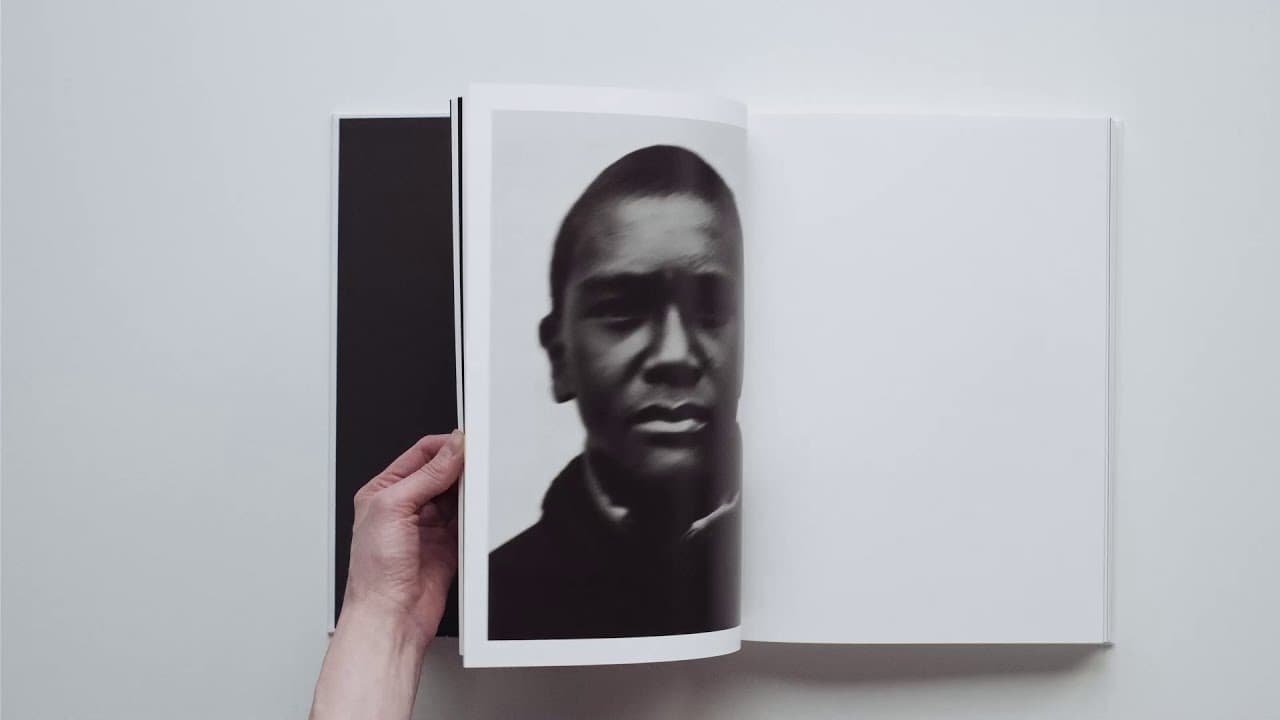
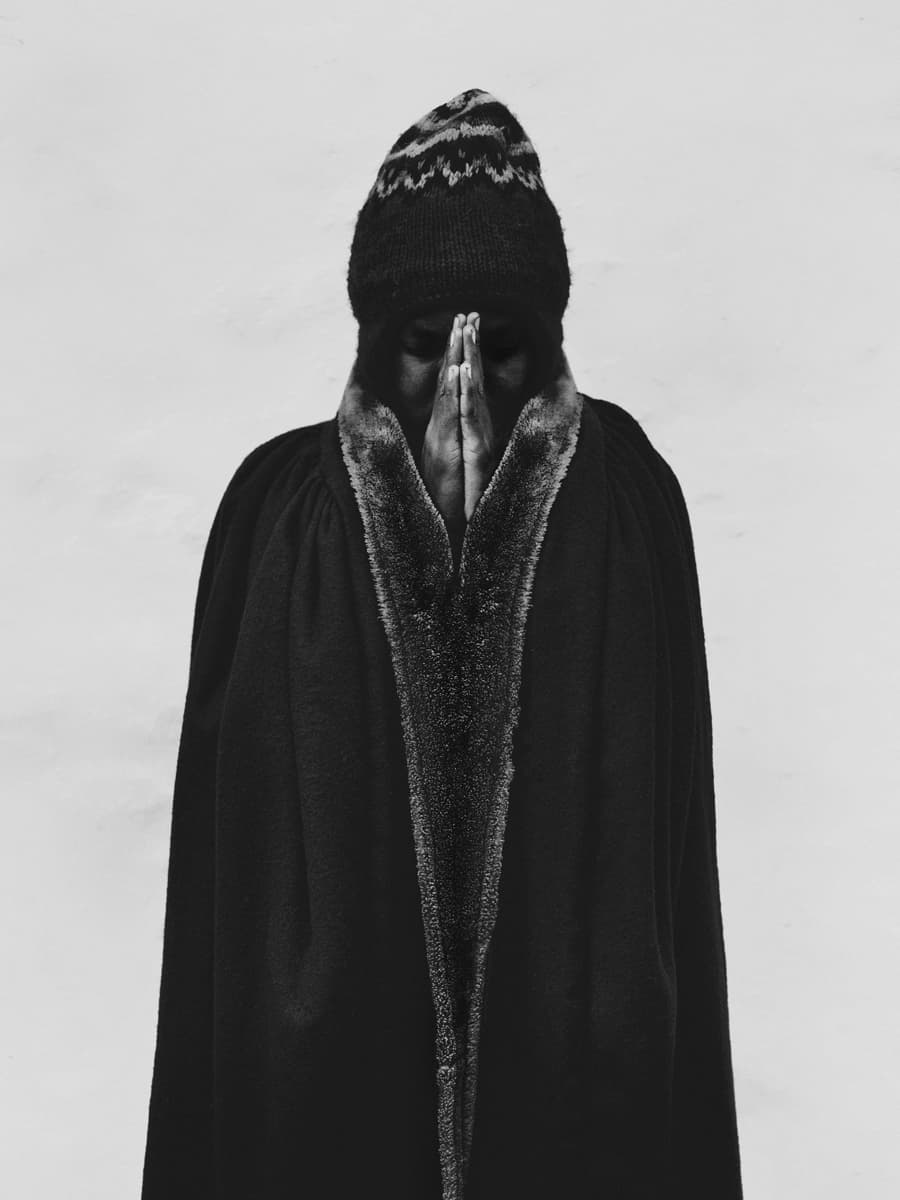
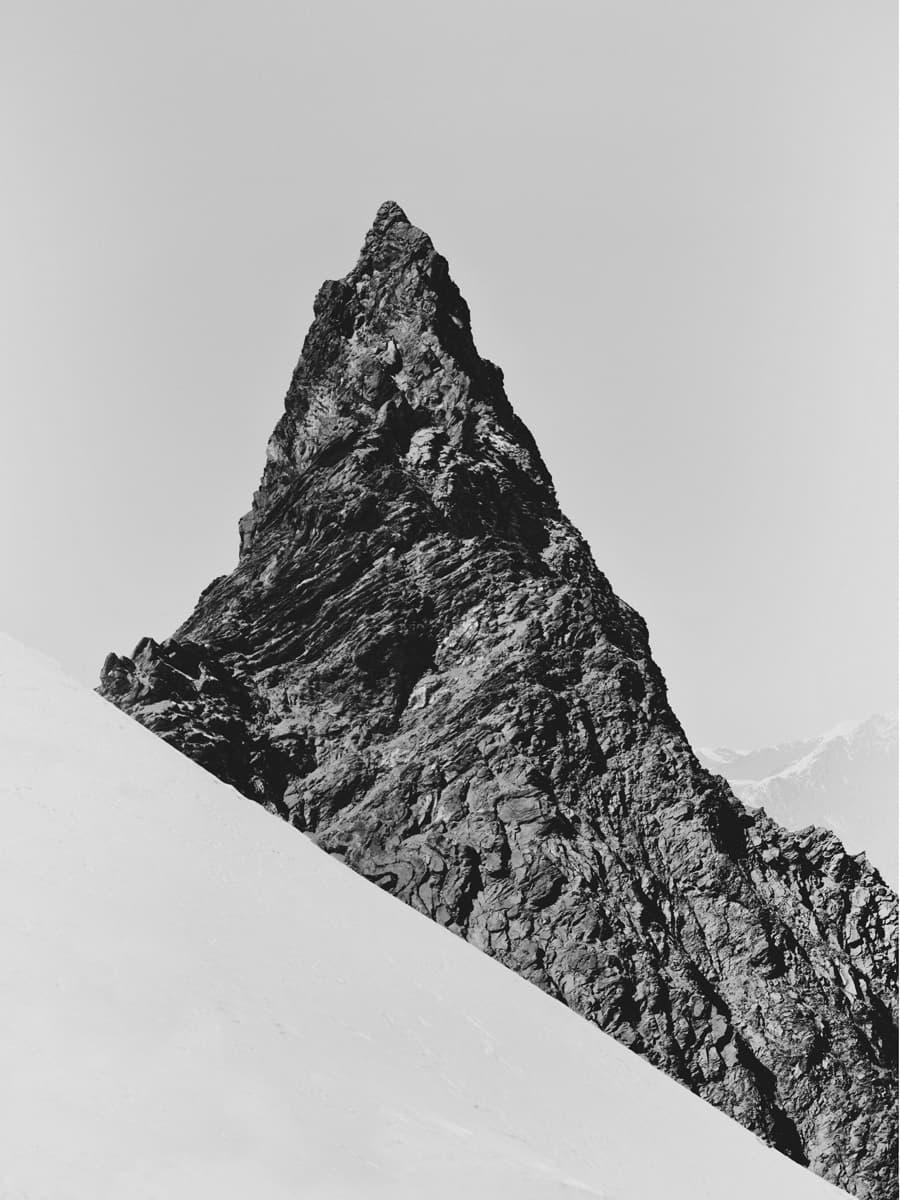
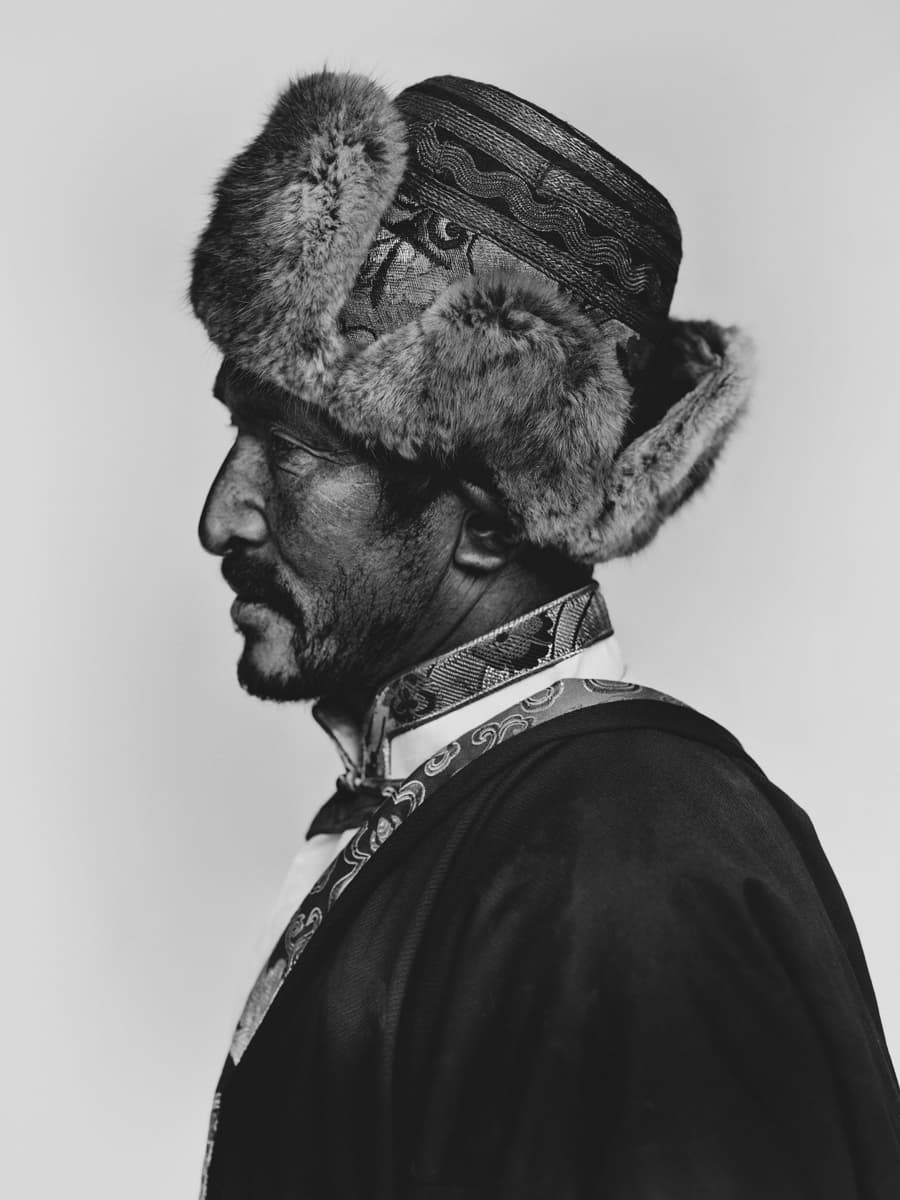
Peak is not simply about beautiful mountains. It is about the combination of rugged landscapes, still lifes, and above all the proud Nepalese people encountered along the way. Woudt wanted to show that Nepal is more than mountaineering: it is about culture, daily scenes, silence, and spirituality in the high mountains. The result is a series of monochrome images that move between vast, towering peaks and intimate moments shared with Nepalese villagers, monks, and porters.
From thirteen aspirant monks at a monastery to the owner of a tea house, the portraits testify to the grace and pride, the strength and wisdom of the Nepalese, received everywhere with warmth, despite hardship and isolation. In this project, landscape takes centre stage for the first time in Woudt’s practice, yet the human presence remains inseparable from his visual language.
One of the things Woudt learned during this journey is to be aware of your surroundings and to be constantly scanning and alert, even when you don’t feel like it or feel miserable. After having slept in a tent for 26 days, and often walking more than 20–30 km a day at altitudes between 3,000 and 6,000 meters, sometimes you don’t think about photographing the mountains around you anymore. Still, at those moments you look differently, you start looking for different shapes, abstract lines, and when you meet people you are glad they want to stand in front of your camera, so every encounter becomes special.
Robert Macfarlane wrote that the true blessing of mountains is not the challenge they offer, but something gentler: “They make us ready to credit marvels — whether it is the dark swirl which water makes beneath the plate of ice, or the feel of soft belts of moss which form on the lee sides of boulders. Being in the mountains reignites our astonishment at the simplest transactions of the physical world.” Peak lives in that space. Between physical endurance and quiet observation. Between the weight of the climb and the stillness at the top.
Woudt sees Peak as a turning point: his first long-duration project abroad, his first self-published book, and a project that taught him to work under maximum physical pressure. The direct predecessor to HENRO, both share the same principle: the journey shapes the work as much as the camera does.
PEAK
Selected Works
Prayer
Archival Pigment Print
45 x 60 cm / 90 x 120 cm, 135 x 180 cm
Edition of 10 + 2AP
Peak
Archival Pigment Print
45 x 60 cm / 90 x 120 cm, 135 x 180 cm
Edition of 10 + 2AP
Mānisa
Archival Pigment Print
45 x 60 cm / 90 x 120 cm
Edition of 10 + 2AP
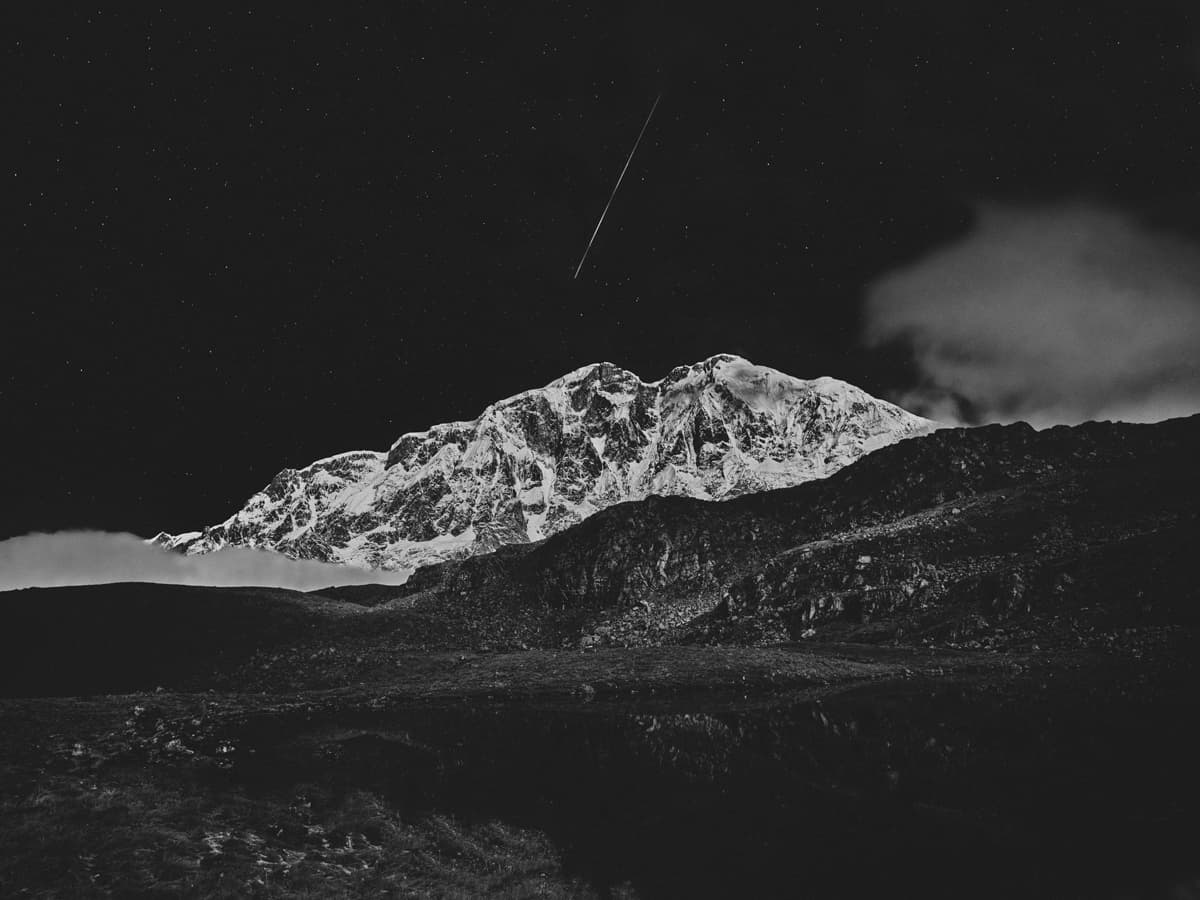
Falling Star
Archival Pigment Print
45 x 60 cm / 90 x 120 cm
Edition of 10 + 2AP