In October 2017, Bastiaan Woudt traveled to Mukono, Uganda, at the invitation of the Marie-Stella-Maris Foundation, an Amsterdam-based organization that uses proceeds from water sales to fund clean drinking water projects worldwide. The Foundation had been active in the region for several years, establishing 24 rainwater tanks, 5 community wells, and sanitation facilities at 6 primary schools, infrastructure that changed the daily lives of thousands of families. Woudt was invited to photograph the communities connected to these projects. He was given a single brief: find a link with water.
What he returned with, three days later, was a body of work of 107 images. Portraits, landscapes, still lifes. None of them show suffering.
Woudt arrived in Mukono without a plan. This is how he always works: blank, open, no shot list, no locations scouted in advance. What happened in Mukono surprised even him. On the first day, he had photographed forty portraits. By the time the three days were over, he had 107 images and the material for a book.
The key to this was George, a local partner and guide who accompanied Woudt throughout the visit. George knew the communities, spoke the language, and understood the social protocols, including the essential step of asking permission from community elders before entering any village with a camera. Without that local connection, none of these images would have existed.
The brief (find a link with water) shaped the work in ways Woudt could not have anticipated. The community wells did not interest him photographically: a well is a well, and water coming out of a pipe felt too removed from water itself. So he and George drove to a community at the lake. At the lake, children were playing in the shallows. Woudt heard them before he saw them. He walked toward the sound. The children noticed him. They began walking on their hands in the water, jumping, splashing. Those are things he didn’t indicate in advance. Those are the things that arise.
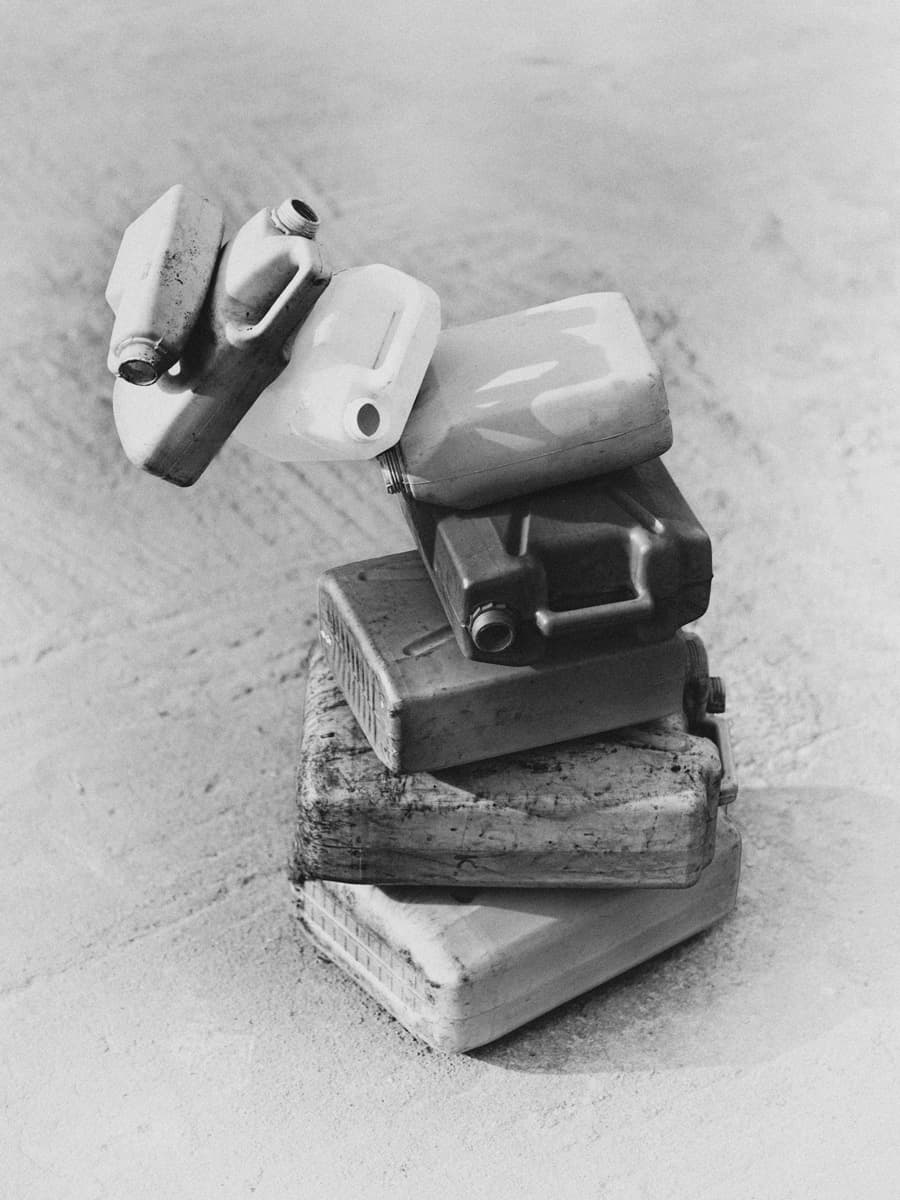
The still lifes came from a different kind of attention. Driving through the area, Woudt kept noticing jerrycans, the yellow plastic containers used daily by families to carry water. He began to see them as sculptural objects. He started arranging them, building a tower, testing how abstract they could become. The defining image from that session was not planned: the carefully stacked tower collapsed at the exact moment the shutter fired, introducing movement and imperfection that runs through much of Woudt’s wider practice.
The project’s most iconic photograph came the same way. Walking through Mukono, Woudt encountered a young girl dressed impeccably: a dress, a string of pearls, a hat, her clothes moving in the wind. She stood with complete poise, as if she had stepped out of another era. This image, which became known as The Queen of Mukono, is the symbol of the entire project.
Mukono is not a charity project. It does not document hardship, and it does not seek the image of suffering. Woudt’s choice, made before he arrived and held throughout, was the opposite: to seek beauty, dignity, and the small moments that persist regardless of circumstance. The photographs function almost as talismans: carriers of pride, hope, and quiet humanity.
The visual language throughout is monochrome, minimal, rooted in the aesthetics of classical photography while entirely contemporary in execution. The series spans three genres simultaneously: portraiture, landscape, and still life. What unites the images is not their subject matter but their quality of attention: unhurried, observant, present to what is there rather than what was planned.
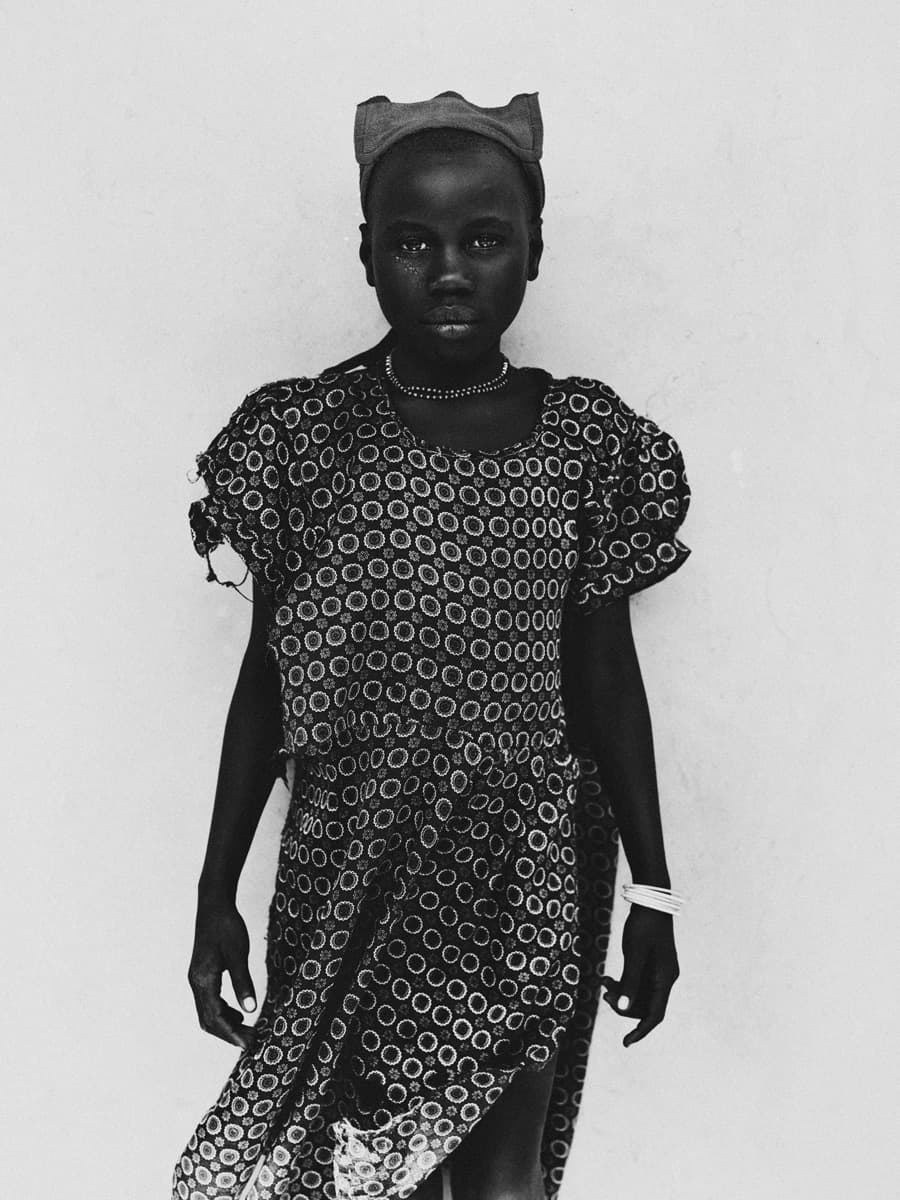 The Queen of Mukono